
Itch is the most common symptom of eczema (also known as atopic dermatitis), and for many people it is also the hardest to live with. It can interrupt sleep, make it difficult to concentrate and wear down patience over time. What makes it especially hard to manage is that scratching, which brings a few seconds of relief, usually makes the itch worse afterward.
Dermatologists call this pattern the itch-scratch cycle. If you’ve ever scratched without meaning to, or woken up to skin that looks more irritated than it did the night before, you’re dealing with something very common, and it has little to do with willpower. Understanding what drives the cycle is the first step toward interrupting it.
In this guide, we’ll explore why eczema itch is so stubborn, why scratching can make it worse, and what you can do to soothe and care for eczema-prone skin, including how Waxelene can fit into your daily routine.
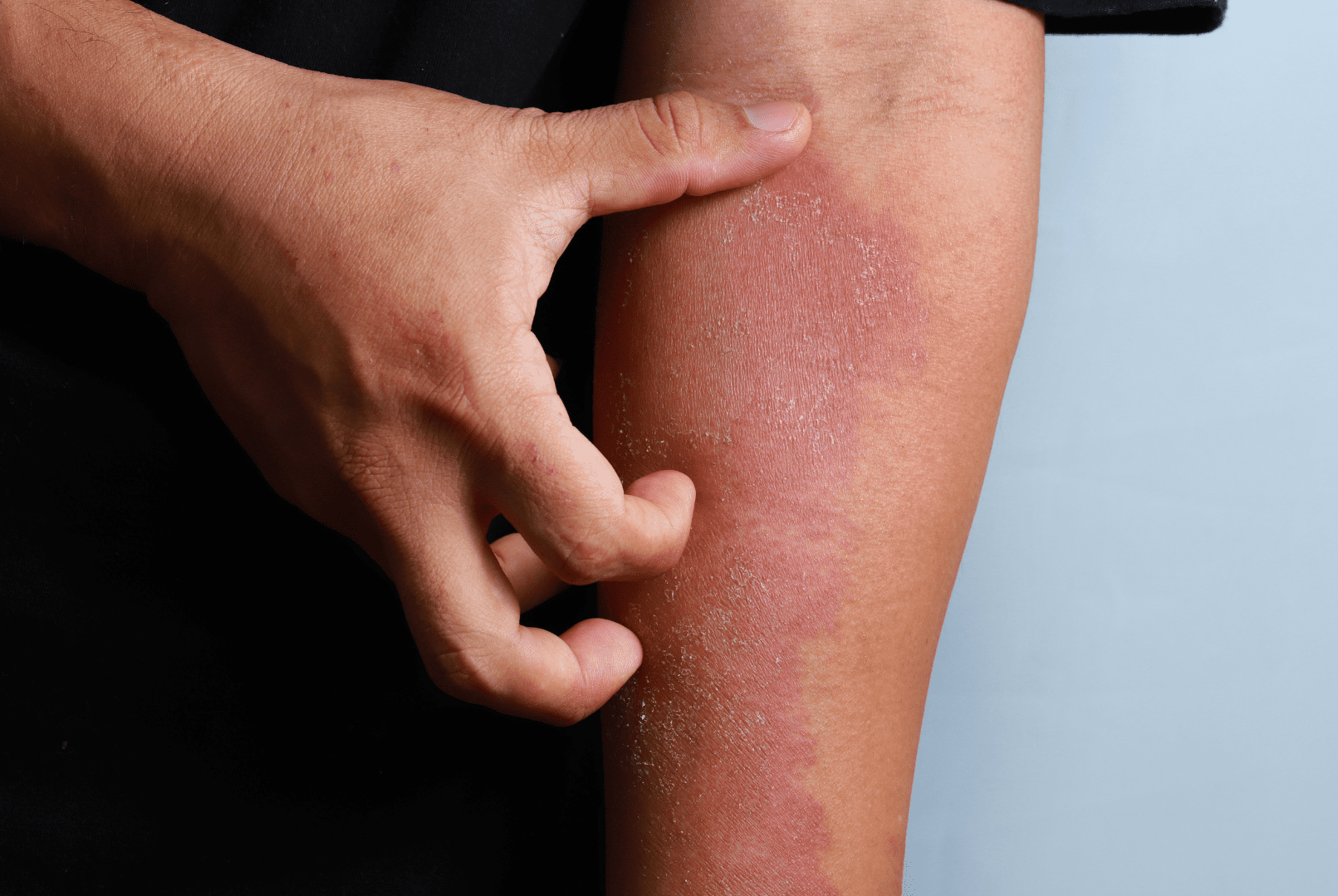
What is the itch-scratch cycle?
The itch-scratch cycle is a loop. Your skin itches, you scratch, and the scratching damages the skin. Damaged skin is more inflamed and more irritated, so it itches even more. Then you scratch again.
The tricky part is that scratching genuinely feels good for a few seconds. That brief relief teaches your brain to reach for it every time, which is why the habit gets so automatic. Plenty of people scratch in their sleep and never know it until they see the marks.
Why does eczema itch so much?
There isn’t one single cause, but a few things work together.
A weakened skin barrier. Healthy skin acts like a brick wall, holding moisture in and keeping irritants out. In eczema-prone skin, that wall has gaps. Water escapes, the skin gets dry and tight, and things like soap, sweat, dust or fabric can get in and set off a reaction.
Inflammation under the surface. Eczema is an inflammatory condition. The immune system releases signaling molecules that irritate the tiny nerve endings in your skin, and those nerves send itch signals to your brain. This is a big reason eczema itch can feel so intense and so out of proportion to how the skin looks.
It’s usually worse at night. Skin loses more water in the evening, and your body’s natural anti-inflammatory hormones dip. You’re also lying still with nothing else to focus on. Put those together and night-time itching is almost a given for many people with eczema.

Why scratching makes eczema worse
Scratching does a few things you really don’t want.
First, it breaks down the skin barrier even further, which lets in more irritants and allergens. Second, it triggers more inflammation, so the itch you were trying to get rid of comes back stronger. Third, broken skin is easier for bacteria to get into. Staph bacteria are especially common on eczema-prone skin, and an infection can make a flare much harder to calm down.
Over time, constant scratching can also make the skin thick, rough and leathery. This is called lichenification, and that thickened skin is often even itchier than before.
The good news is that the cycle can be broken at several points. You don’t need to be perfect. You just need to make scratching a little less likely and your skin a little less reactive.
7 ways to break the eczema itch-scratch cycle
1. Moisturize more than you think you need to
If you only change one thing, make it this. Regular moisturizing helps repair the skin barrier, and a stronger barrier means fewer triggers getting through. Thick ointments tend to work better than thin lotions, which are mostly water and can feel nice but don’t hold moisture in for long.
Many dermatologists recommend applying moisturizer within a few minutes of bathing, while your skin is still slightly damp, to lock in that water. Reapply throughout the day, especially on hands and any areas that flare often.
2. Keep showers short and lukewarm
Hot water feels great on itchy skin, but it strips natural oils and often leaves you itchier an hour later. Aim for lukewarm water and a shower or bath of about 5 to 10 minutes. Use a gentle, fragrance-free cleanser only where you need it, and pat dry instead of rubbing.
3. Look for simple, soothing ingredients
When you’re shopping for eczema skin care, shorter ingredient lists are usually better. Look for products labeled fragrance-free (not just unscented), and consider ingredients with a track record for sensitive skin:
- Colloidal oatmeal, which is recognized as a skin protectant and can help soothe dry, itchy skin
- Ceramides, which help replace the fats that eczema-prone skin tends to lack
- Glycerin, which draws water into the skin
- Beeswax, acts as a natural emollient, providing a protective barrier to the skin. It helps lock in moisture, soothe dryness, and promote skin hydration.
It’s worth patch testing anything new on a small area first.
4. Keep nails short and have a night plan
It sounds basic, but short, smooth nails do less damage when you scratch without thinking. For night-time, some people sleep in thin cotton gloves or soft long sleeves. Cool bedding, breathable cotton pajamas and a slightly cooler bedroom can also help, since warmth tends to make itch worse.
5. Cool it down
A clean, cool compress held on an itchy patch for a few minutes can take the edge off. Some people keep their moisturizer in the fridge so it feels extra soothing when it goes on. It won’t fix the underlying inflammation, but it can get you through a rough moment without scratching.
6. Swap the scratch
Telling yourself to just stop scratching rarely works. It’s easier to replace the habit with something else. Try patting, pressing or gently pinching the itchy spot, or tapping around it. Another option is to keep your hands busy with a stress ball or a fidget toy, especially while watching TV or working, when scratching tends to happen on autopilot.
7. Track your triggers
Flares often have a pattern. Common culprits include stress, sweat, dry winter air, scratchy fabrics, fragranced laundry products and certain soaps. A simple note on your phone with what you did, ate or wore before a bad itch day can reveal patterns you’d never spot otherwise. If you suspect a food trigger, talk with your doctor before cutting anything out.

Do antihistamines help eczema itch?
This surprises a lot of people: for most eczema itch, regular antihistamines don’t do much. Eczema itch is driven largely by inflammation and nerve signaling rather than histamine, the chemical behind hives and seasonal allergies. Some sedating antihistamines can help you fall asleep when itch is keeping you up, but that’s the sleepiness at work, not real itch relief. If you’re considering one, ask your doctor or pharmacist first.
Waxelene for Eczema-Prone Skin
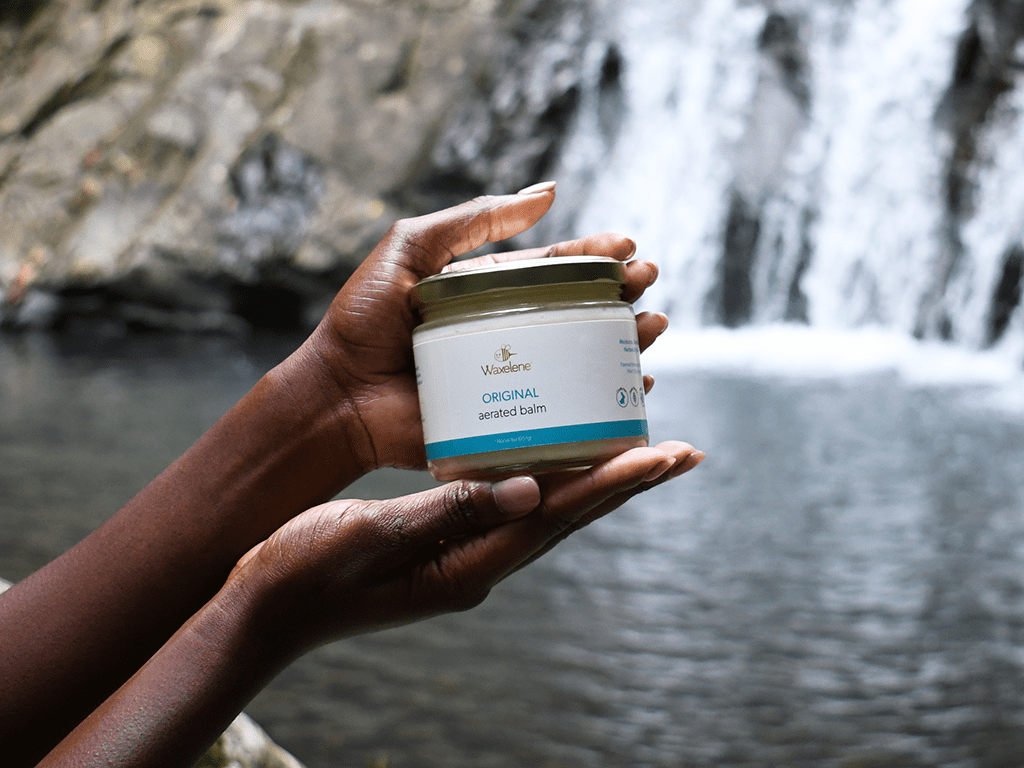
Waxelene’s Aerated Balm is made with only four carefully selected ingredients: organic soybean oil, organic beeswax, natural vitamin E oil, and organic rosemary oil. Our patented aeration process creates a silky soft, breathable texture that provides an ultra thin protective barrier; making it noncomedogenic so it won’t clog pores. The ideal organic oils soak in and nurture skin cells. This creates the perfect environment to heal eczema and dry skin. Waxelene aerated balm is literally like nothing else. Safe for all skin types and suitable for the whole family.
The short version
Eczema itch isn’t in your head, and it isn’t a lack of willpower. It’s the result of a leaky skin barrier, inflammation and a loop that feeds itself. You break the loop by protecting the barrier (moisturize often, bathe gently), calming the itch in the moment (cool, pat, distract) and getting medical help when home care isn’t enough.
Some nights will still be rough. That’s normal. What matters is that each small step makes the cycle a little easier to interrupt.



0 Comments