
Short answer: yes. Avocado oil is good for skin, especially in soap. It’s rich in oleic acid and vitamin E, which help skin hold onto moisture instead of losing it with each wash. But the oil itself isn’t the whole story, what happens to it before it reaches your skin matters just as much.
How Avocado Oil Is Made
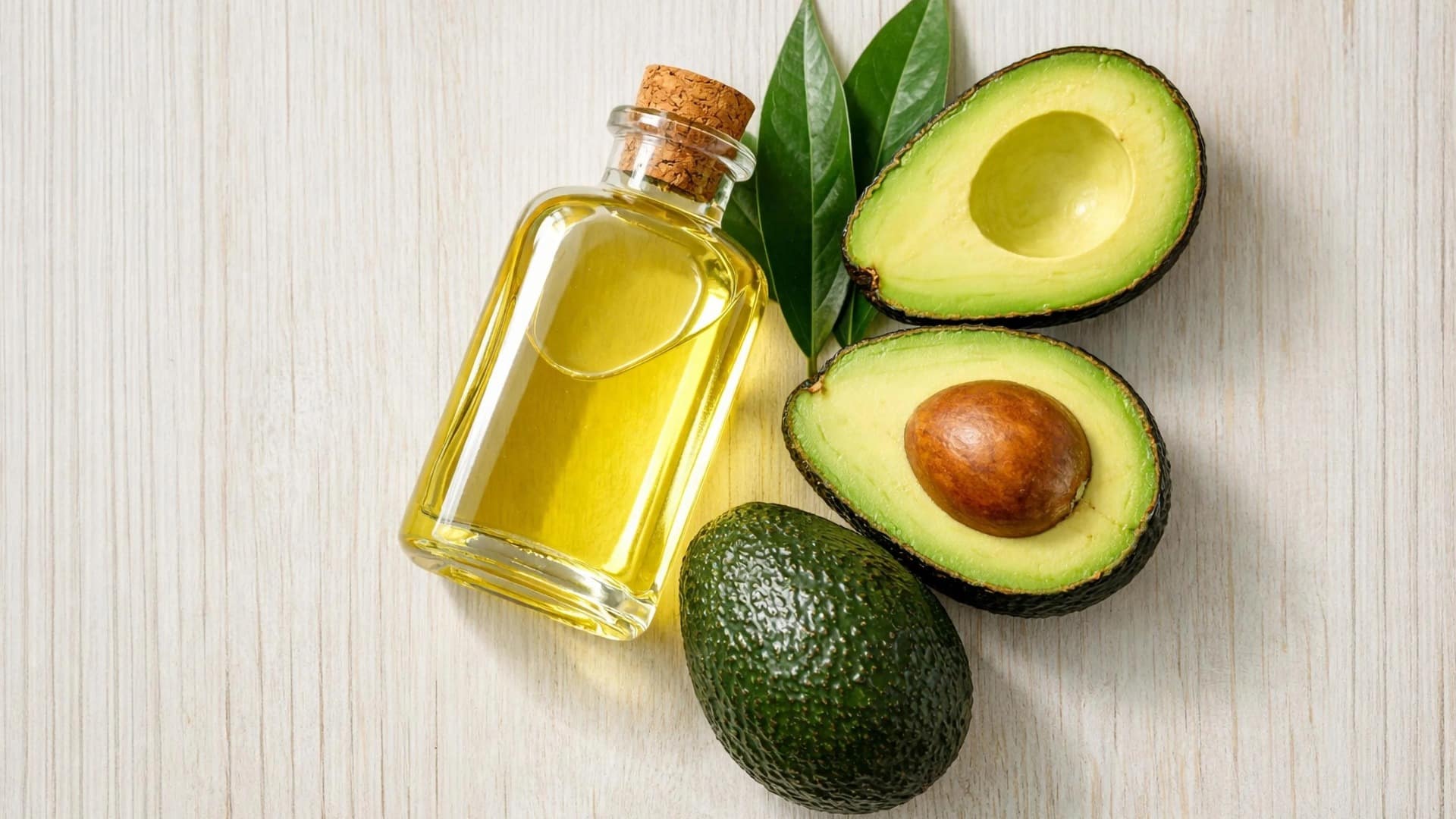
That story starts with the fruit itself. Avocado oil doesn’t come from the pit or the skin, which surprises a lot of people. Producers press it from the flesh, the same creamy green part you’d scoop onto toast, after peeling and pitting ripe avocados. Then they cold-press the pulp to release the oil, similar to how producers make olive oil from olives. Cold-pressing keeps the temperature low during extraction, which matters because heat can degrade delicate compounds in the oil, including a chunk of its vitamin content.
What comes out the other end is a rich, slightly green oil, loaded with oleic acid (a monounsaturated fat also found in olive oil), along with smaller amounts of palmitic and linoleic acid, plus naturally occurring vitamins A, D, and E. That’s why you’ll spot avocado oil in salad dressings, face moisturizers, and hair masks, it’s genuinely a multi-purpose ingredient, not just a soap trend.
Unrefined, cold-pressed avocado oil holds onto more of these nutrients than refined versions, which is part of why quality-focused formulators seek it out specifically. Soapmakers use this raw oil, full of fatty acids and antioxidants, then run it through a completely different process, the one that turns it into what you see labeled as “saponified.”
What Does “Saponified” Actually Mean?
Saponification is just the technical word for the process that turns oil into soap. It’s genuinely old chemistry, people have been doing versions of it for over a thousand years, long before “clean beauty” became a marketing category.
Here’s the short version: soapmakers combine oil (in this case, avocado oil) with an alkali, usually sodium hydroxide, along with water. As the mixture reacts, the fatty acids break apart and rebond with the alkali, forming soap molecules and glycerin. That reaction is saponification, and it’s the only way to make true bar soap from scratch.
A lot of people get nervous when they see sodium hydroxide, or lye, on a skincare label, and that’s a fair instinct, lye on its own is caustic. But here’s the part that matters: in a properly formulated bar, the lye doesn’t survive the process. It reacts completely with the oil, and together they convert into soap along with the fatty acids, so no leftover lye sits in the finished bar. When a label says “saponified avocado oil,” it actually tells you the opposite of what people fear: it confirms the oil has fully transformed into gentle, finished soap, with nothing harsh lurking inside.
So why avocado oil specifically, instead of a cheaper, neutral oil? What the oil brings before saponification still shapes the soap’s character after, and formulators pick oils deliberately. They choose avocado oil almost exclusively for moisture and conditioning, since it makes a softer, creamier bar than lighter oils like sunflower or safflower.
The Skin Benefits of Avocado Oil
Once saponified, avocado oil isn’t just filler in a soap recipe, it actively changes how the bar behaves on your skin. Here’s where it earns its keep.
It Helps Reinforce the Skin Barrier
Your skin depends on an intact lipid barrier that holds moisture in and keeps irritants out. Avocado oil is high in monounsaturated fats that closely resemble skin’s own natural oils, so skin tends to tolerate it very well. Harsher, detergent-based cleansers often strip that barrier, while soap with avocado oil works with your skin’s chemistry instead.
It’s Genuinely Good News for Dry or Sensitive Skin
If you deal with dry patches, reactive skin, or eczema, you know the drill, most soap makes things worse before it helps. People frequently report that avocado oil bars feel noticeably gentler, since the extra slip and moisture counteract the drying effect any cleanser can have. That’s a big reason avocado oil shows up in gentle, sensitive-skin formulas instead of harsh industrial soap.
It Brings Antioxidant Support to the Table
Vitamin E, one of the compounds naturally present in avocado oil, is a well-documented antioxidant. Saponification does change the oil chemically, but many soap recipes intentionally include a small percentage of “superfatted” oil that never fully reacts. That leftover fraction leaves a light, nourishing residue on skin even after rinsing, carrying some of that antioxidant benefit along with it.

It’s Not Just a Skin Ingredient
Avocado oil has a long track record in hair care too, prized for softening strands and taming frizz. That’s not a coincidence, the same fatty acid profile that moisturizes skin also works on hair. It’s why some people reach for an avocado-oil castile bar as a gentle, do-it-all cleanser, using it on hands, body, and even hair instead of keeping separate products.

Why It Matters More in Castile Soap Specifically
Castile soap has a reputation for being about as clean and minimal as soap gets, traditional recipes use a short list of plant oils and skip synthetic detergents or filler ingredients. Avocado oil fits naturally into that philosophy, playing a specific role in a castile formula.
Castile soap already leans on olive oil or similar mild bases, so adding avocado oil pushes the moisturizing profile even further. The result is a bar that cleanses without that tight, stripped feeling a lot of people associate with soap in general, a common complaint that pushes people toward liquid, detergent-based washes instead. A well-formulated avocado oil castile soap can hold its own against those, minus the harsher ingredient list.
This matters most where skin works hardest, think hands washed multiple times a day, faces cleansed nightly, or full-body washing in hot showers that already dry out skin. In each case, avocado oil’s conditioning isn’t a nice-to-have, it does real work to offset the natural drying effect of washing.
The Bigger Picture: Why This Ingredient Keeps Showing Up
Ingredient transparency has changed how people shop. More consumers read labels now, look up unfamiliar terms, and choose brands that explain their formulas instead of hiding behind vague language. Saponified oils fit that shift well, they’re plant-derived, traceable back to a real ingredient, and easy to research, which appeals to anyone who wants to understand what’s touching their skin every day.
That’s a big reason avocado oil moved from a niche, high-end ingredient to a natural soapmaking staple.

Why We Use It in Our Castile Soap at Waxelene
At Waxelene, we chose avocado oil deliberately for our Castile Soap line. That line covers our Hand, Face, and Body Wash formulas. Our goal was simple: a soap that could double as a moisturizer. Something you could use on your skin every day.

Our formula pairs saponified avocado oil with saponified olive oil, aloe, vitamin E, and water, and together they get us there. The blend adds a softer lather, and the finished bar feels more like a light treatment than a basic cleanser. You use this daily on some of your most sensitive skin, and that difference is the whole point, it’s a big reason our Castile Soap has become a go-to choice for people who want an honestly formulated, gentle alternative to conventional soap.
The Takeaway
Saponified avocado oil shows how an everyday ingredient can play a completely different role once you understand the process behind it. Rather than something strange or overly technical, it’s a marker of thoughtful formulation, the kind that separates real natural soap from stripped-down, detergent-heavy alternatives. Next time you spot it on a label, you’ll know exactly why it’s there.




0 Comments