
Drinking water plays an important role in supporting overall skin health. Proper hydration helps maintain the skin’s elasticity, softness, and natural balance. When the body is well hydrated, the skin is better able to maintain a smooth and healthy-looking appearance.
While water is not a direct skincare treatment, adequate daily intake supports normal skin function from within and can contribute to a more even, refreshed complexion. Dehydration, on the other hand, can make the skin look dull and emphasize the appearance of fine lines and dryness.
For this reason, maintaining consistent hydration through drinking water is an important part of supporting healthy-looking skin.
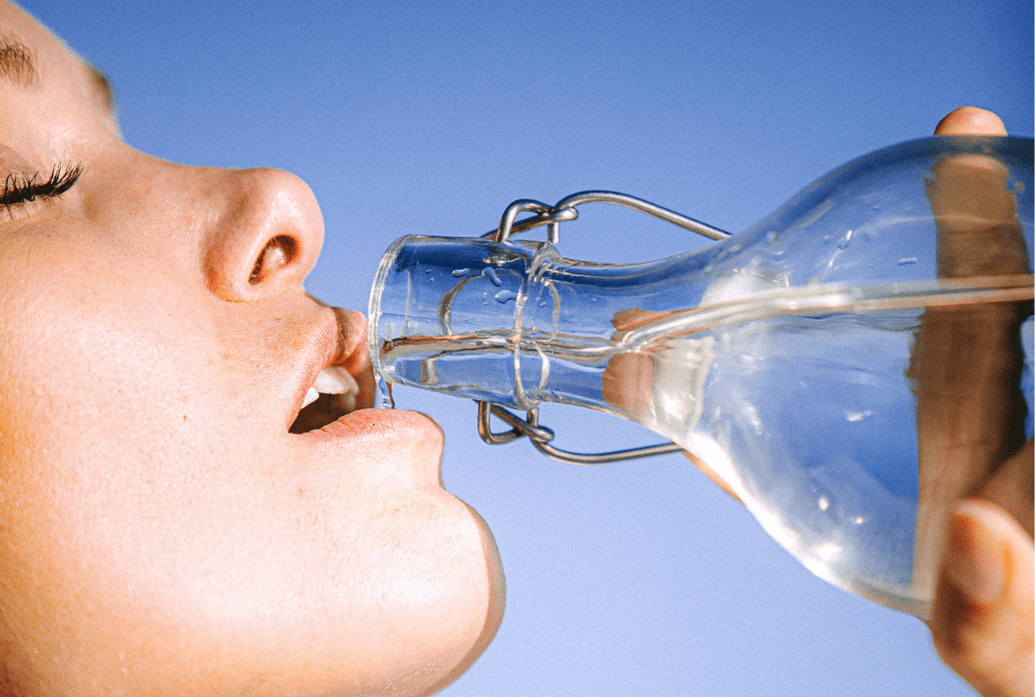
How Much Water Should You Drink Per Day to Achieve Healthy Skin?
Daily water needs vary from person to person depending on factors such as age, gender, activity level, diet, and climate. While a common guideline is around 8 glasses of water per day (approximately 2 liters or half a gallon), this is only a general reference rather than a strict rule.
Hydration supports overall skin health by helping the body maintain normal function, which can contribute to a more balanced and refreshed-looking complexion. However, water needs can increase with factors such as exercise, heat, sweating, and certain health conditions.
In addition to drinking water, hydration can also be supported through foods with high water content, such as fruits and vegetables. These can contribute to your overall daily fluid intake and help support skin hydration from within.

The Benefits of Drinking Water for Your Skin
Beyond overall hydration, drinking water supports several key aspects of skin function and appearance.
Skin barrier support:
Water plays an important role in supporting normal skin cell function, which helps maintain the skin’s natural barrier. A healthy skin barrier is essential for retaining moisture and protecting against external stressors.
Overall skin appearance:
Proper hydration contributes to a more balanced complexion. When the body is well hydrated, the skin is less likely to look dull or tired, and may appear more refreshed.
Moisture balance:
Dehydration can affect how the skin feels, often leading to tightness or dryness. Consistent water intake supports the body’s ability to maintain natural moisture balance.
Texture and smoothness:
Hydrated skin tends to feel more comfortable and appear smoother compared to dehydrated skin, which can look rough or uneven in texture.
Support for dry and sensitive skin conditions:
While drinking water is not a treatment for skin conditions, adequate hydration can be part of a healthy skincare routine for individuals with dry or sensitive skin concerns, including eczema and psoriasis. Maintaining proper hydration may help support overall skin comfort alongside topical care and barrier-supporting products.
Tips on How to Incorporate More Water into Your Diet
Here are some tips on how to incorporate more water into your daily diet:
- Keep a water bottle with you: Whether you’re at work, running errands, or working out, having a water bottle with you can serve as a constant reminder to drink more water throughout the day.
- Flavor your water: If you find plain water unappetizing, try adding fresh fruit or herbs such as lemon, cucumber, or mint to infuse flavor into your water.
- Set reminders: Use a smartphone app or set reminders throughout the day to remind you to drink water at specific intervals.
- Drink water before meals: Drinking water before meals can help to increase hydration levels and may also reduce the amount of food you eat during a meal.
- Eat water-rich foods: Foods such as watermelon, cucumbers, and celery have high water content and can contribute to overall hydration levels.
- Use a straw: Drinking water through a straw can make it more enjoyable and may encourage you to drink more water.
- Make it a habit: Consistency is key when it comes to drinking more water. Make it a habit to drink a glass of water first thing in the morning or before bed, and gradually increase your water intake throughout the day.
Other Ways to Improve Your Skin Health Through Diet & Lifestyle Changes
Here are some additional ways to improve your skin health through diet and lifestyle changes:
- Eat a balanced diet: A diet rich in fruits, vegetables, whole grains, lean protein, and healthy fats can provide essential nutrients for skin health, such as vitamins A, C, E, and omega-3 fatty acids.
- Limit processed foods and sugar: A diet high in processed foods and sugar can contribute to inflammation, which can negatively impact skin health.
- Manage stress: Stress can increase inflammation and cortisol levels in the body, which can contribute to skin issues such as acne and wrinkles. Find healthy ways to manage stress, such as exercise, meditation, or spending time with loved ones.
- Get enough sleep: Lack of sleep can affect skin health by increasing inflammation, reducing collagen production, and decreasing skin hydration. Aim for 7-9 hours of quality sleep per night.
- Protect your skin from the sun: Overexposure to the sun’s harmful UV rays can cause skin damage and increase the risk of skin cancer. Wear protective clothing and use a broad-spectrum sunscreen with at least SPF 30 when outdoors.
- Avoid smoking: Smoking can increase the production of free radicals in the body, which can damage skin cells and lead to premature aging.
- Exercise regularly: Exercise can increase blood flow and oxygen delivery to the skin, which can promote skin health and radiance.
Overall, making these lifestyle changes can help improve skin health and promote a more youthful, radiant appearance.

Risks & Side Effects of Not Drinking Enough Water For Healthy Skin
Not drinking enough water can lead to dehydration, which can negatively impact skin health in several ways. Some common risks and side effects of not drinking enough water for healthy skin include:
- Dry and dull skin: Dehydration can cause the skin to appear dry, flaky, and dull, and can also make fine lines and wrinkles more visible.
- Increased oil production: When the skin is dehydrated, it may produce more oil to compensate for the lack of moisture, which can contribute to acne and other skin blemishes.
- Inflammation: Dehydration can lead to increased inflammation in the body, which can exacerbate skin conditions such as psoriasis and eczema.
- Sun damage: Dehydration can make the skin more susceptible to sun damage, which can cause premature aging and increase the risk of skin cancer.
- Dark circles and puffiness: Lack of hydration can cause dark circles and puffiness around the eyes, making you appear tired and aged.
- Slow healing: Dehydration can slow down the skin’s ability to heal, making it more difficult to recover from skin injuries or wounds.
Overall, not drinking enough water can have a negative impact on skin health and appearance. It’s important to aim for adequate hydration by drinking enough water throughout the day and consuming foods with high water content.
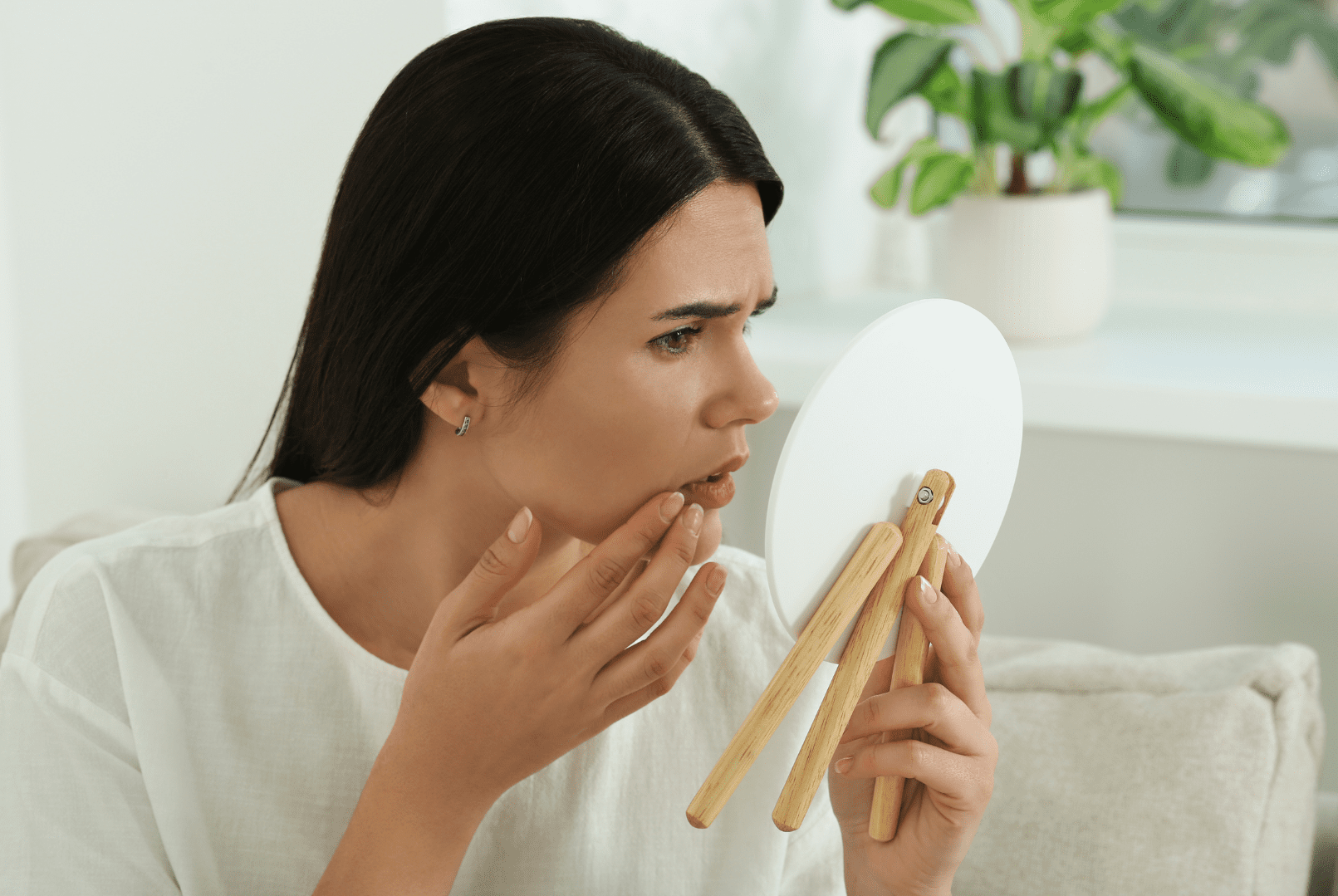
Nutrients & Supplements That Can Help Increase Hydration in Your Skin
There are several nutrients and supplements that can help increase hydration in your skin:
- Vitamin C: This vitamin is essential for collagen production and can help improve skin hydration and elasticity.
- Omega-3 fatty acids: These healthy fats can help improve skin hydration and may also reduce inflammation.
- Vitamin E: This vitamin is a powerful antioxidant that can help protect the skin from damage and improve hydration.
- Zinc: This mineral plays a role in collagen production and can help improve skin hydration and wound healing.
- Hyaluronic acid: This supplement is a natural component of the skin that can help improve hydration levels and reduce the appearance of fine lines and wrinkles.
- Ceramides: These lipids are important for maintaining the skin’s moisture barrier and can help improve hydration levels.
- Probiotics: These supplements can help improve gut health, which may in turn improve skin hydration and reduce inflammation.
It’s important to note that while these nutrients and supplements can help improve skin hydration, they should not be used as a substitute for adequate hydration through drinking water and consuming foods with high water content. It’s always best to consult with a healthcare professional before starting any new supplements.

How Can Waxelene Help to Hydrate Your Skin?
Supporting skin hydration is not only about what you put into your body, but also how you care for your skin externally. A combined approach — internal hydration through water intake and external moisture support — can help maintain healthier-looking, more comfortable skin.
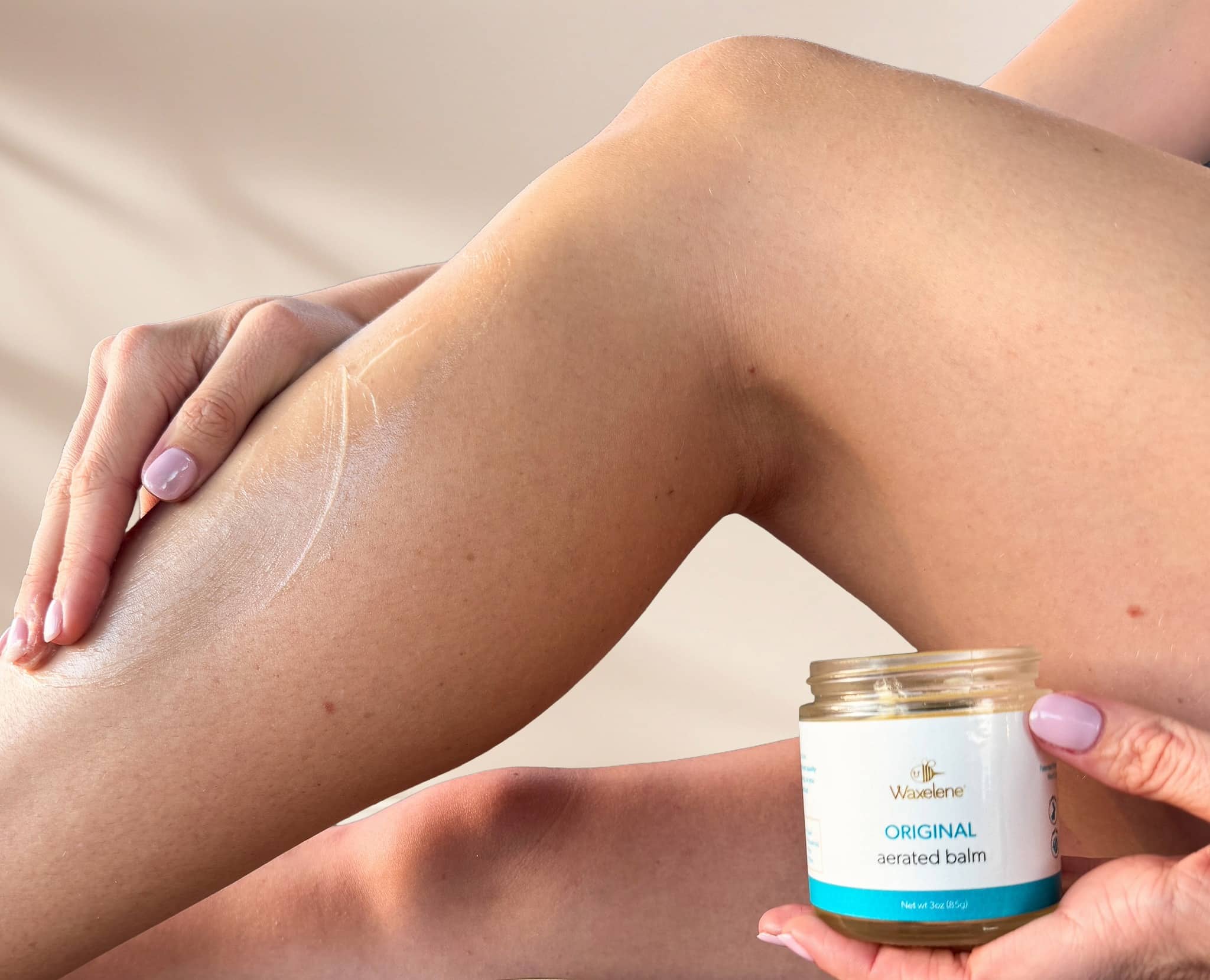
Waxelene aerated balm is a natural, petroleum-free alternative to traditional petroleum jelly. It is designed to help soothe and protect dry or chapped skin by forming a protective barrier that helps reduce moisture loss. Formulated with ingredients such as organic soy oil, beeswax, vitamin E oil, and rosemary oil, it helps support the skin’s natural moisture balance and barrier function.
Drinking water supports overall hydration from within and contributes to normal skin function. When the body is properly hydrated, the skin is better able to maintain a smoother, more balanced appearance, while dehydration can make the skin look dry or dull.
In addition to internal hydration and moisturizing with products like Waxelene, gentle cleansing is also an important part of maintaining healthy skin. Using a mild, plant-based cleanser such as a castile soap can help cleanse the skin without stripping its natural oils, supporting the skin barrier and helping maintain moisture levels after showering.
Finally, a balanced diet rich in nutrients, along with sun protection, can further support overall skin health as part of a consistent skincare and wellness routine.




Thank you very much for sharing, I learned a lot from your article. Very cool. Thanks. nimabi