
Eczema, also known as atopic dermatitis, is a common skin condition that causes dryness, itching, and inflammation. Many people who have eczema also experience allergies—but how exactly are they connected?
While this connection is well recognized, it is also complex and influenced by factors like the immune system and the skin’s natural protective barrier.
Understanding the link between eczema and allergies can help you better manage symptoms and improve your overall skin health.

What Is Eczema?
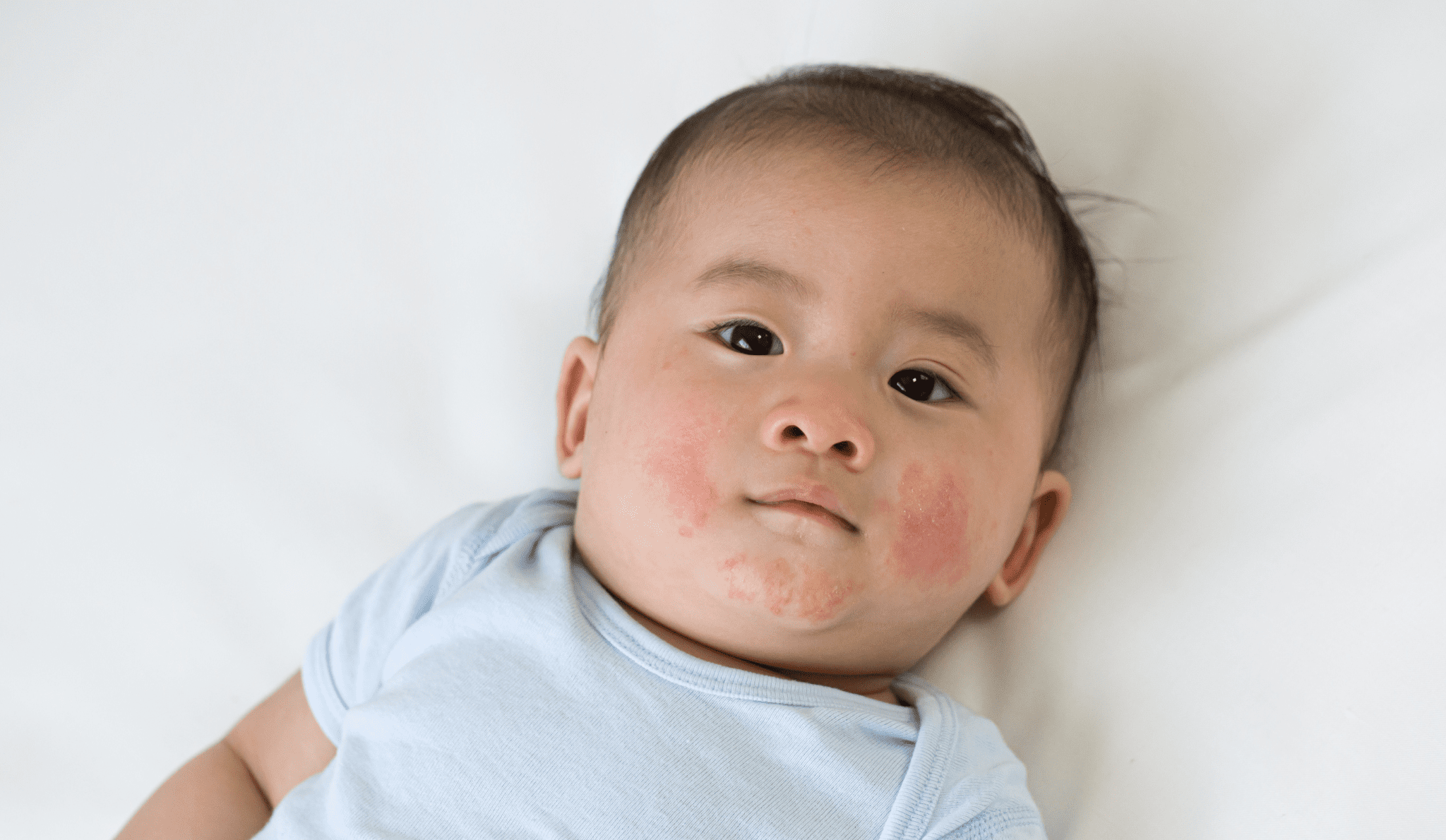
Eczema is a chronic condition that affects the skin, leading to irritation, redness, and discomfort. It can vary in severity, with some people experiencing occasional flare-ups and others dealing with more persistent symptoms.
In addition to inflammation, eczema is also associated with a weakened skin barrier, which makes it easier for moisture to escape and for irritants or allergens to enter the skin.
Although eczema is often linked to allergies, it is not caused by a single factor. Instead, it develops due to a combination of genetics, immune responses, and environmental influences.
What Are Allergies?
Allergies occur when the immune system reacts to substances that are usually harmless, such as pollen, pet dander, dust mites, or certain foods. These substances are known as allergens.
When exposed to an allergen, the body triggers an immune response, which can lead to symptoms like sneezing, itching, swelling, and inflammation.
In many allergic individuals, this response involves a type of antibody called IgE, which plays a key role in how the body reacts to allergens.

Atopy is a genetic tendency to develop allergic disorders. When atopic people are exposed to allergens, their immune system reacts which leads to minor inflammation. This can cause symptoms in the:
-
Eyes/nose which results in allergic rhinitis (hay fever) and/or conjunctivitis.
-
Skin resulting in eczema, or hives.
-
Lungs resulting in asthma.
The Link Between Eczema and Allergies
The connection between eczema and allergies has become increasingly clear as more research continues to emerge. While not every person with eczema will develop allergies, studies show there is a strong association between these conditions.
Here are some statistics that highlight this link:
- 37% of children with eczema also have some kind of food allergy.
- If a mother has allergies, the odds their baby will have eczema are about 1 in 3.
- Thirty-five percent of adults with asthma or nasal allergies had eczema when they were kids
- 35% of adults with asthma or nasal allergies had eczema as a child.
- Up to 80% of children with eczema develop hay fever or asthma at some point.
- Eczema affects about 10% of people worldwide, and up to 50% of children with eczema develop asthma
It is also important to note that the severity of eczema can influence these outcomes, with more severe cases being associated with a higher likelihood of developing asthma or other allergic conditions.
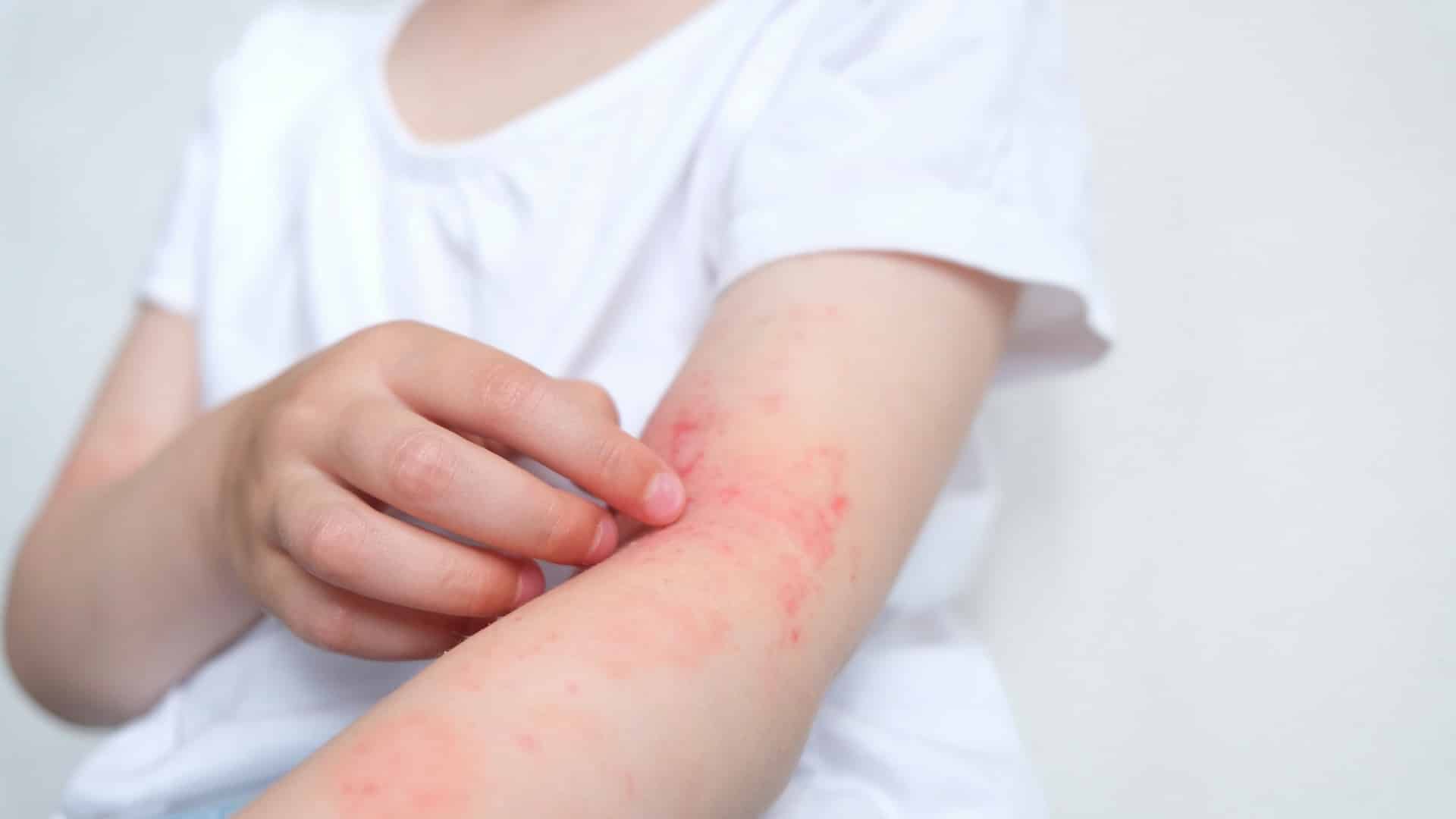
Tips to Help Soothe Eczema and Allergies
Eczema and allergies are increasingly common. The National Eczema Association estimates that between 10-20% of the population suffers from eczema at some point in their life.
Because both conditions can have different triggers, one of the most important steps is identifying what may be causing your symptoms. This could include food allergies, environmental factors, or skin irritants.
Once you understand your triggers, you can take steps to reduce or avoid them more effectively.
There are many treatments available, but they don’t work the same for everyone. The following tips may help soothe eczema and allergies:
-
Get allergy tests: If you know what’s causing your reaction, it becomes much easier to manage or avoid it.
-
Keep an eczema journal: Track what you eat, where you go, what you wear, and environmental conditions to identify patterns over time.
-
Avoid things that irritate your skin such as wool, soap, detergents (always use unscented versions), perfumes, chemicals and cigarette smoke.
-
Keep indoor humidity below 45% to help prevent mold growth.
-
Use an exhaust fan during showers or baths to reduce moisture buildup.
-
Use an ointment or thick cream as a moisturizer: These help lock in moisture and protect the skin from drying out.
-
Some evidence suggests that breastfeeding during the first 12 months may reduce the risk of developing allergies or asthma later in life.
-
Identify possible food triggers and aim for a balanced, anti-inflammatory diet when possible. Avoid overeating late at night.
-
Keep your fingernails short. Scratching can worsen inflammation and damage the skin barrier, leading to more severe flare-ups.

Common Types of Eczema
There are several types of eczema, and the following are some of the most common:
Atopic dermatitis is the most common type of eczema. It is often linked to a combination of genetic factors, immune system activity, and environmental triggers such as dust mites or pet dander. It is also closely associated with other atopic conditions like asthma and allergic rhinitis.
Contact dermatitis occurs when the skin comes into direct contact with an irritant or allergen. Examples include poison ivy, nettle rash, and insect bites. This type of eczema is usually limited to the area of contact and improves once the trigger is removed.
Dyshidrotic eczema causes small, itchy blisters, usually on the hands and feet. It is more common in women and may be associated with stress, allergies, or prolonged exposure to moisture.
Food allergies do not directly cause eczema, but they can trigger or worsen symptoms in some individuals. For example, certain foods like peanuts or shellfish may contribute to flare-ups in people who are sensitive to them. However, not everyone with eczema has food-related triggers.
What Are the Best Remedies for Allergies?
There are a number of home remedies to relieve allergens or irritants. While these remedies can be helpful, their effectiveness may vary depending on the individual and the type of allergy.
Some of these include:
-
- Dusting and cleaning regularly to reduce allergens like dust and pet dander
- Vacuuming carpets frequently, especially if you have pets
- Washing bedsheets and pillowcases weekly to minimize dust mites
- Using an air purifier in your bedroom, particularly at night
- Keeping household surfaces clean to reduce buildup of allergens

Top Treatments for Eczema and Allergies (Medical & Natural Options)
There are several treatment options available for both allergies and eczema, depending on the severity and underlying causes.
The main treatment option for allergies is immunotherapy. This approach involves exposing the body to small, controlled amounts of an allergen over time to help build tolerance. This is often done through allergy shots, which may help reduce symptoms in people with persistent or severe allergies.
The main treatment option for eczema is topical creams that contain corticosteroids. These creams help reduce inflammation, itching, and redness in the skin. But they have many side effects, including thinning of the skin, easy bruising, and infection.
Another treatment option is phototherapy (also known as PUVA). This treatment uses controlled exposure to ultraviolet (UV) light to help reduce inflammation and improve symptoms. Phototherapy is typically performed under medical supervision to minimize risks, although prolonged exposure without proper protection may lead to side effects.
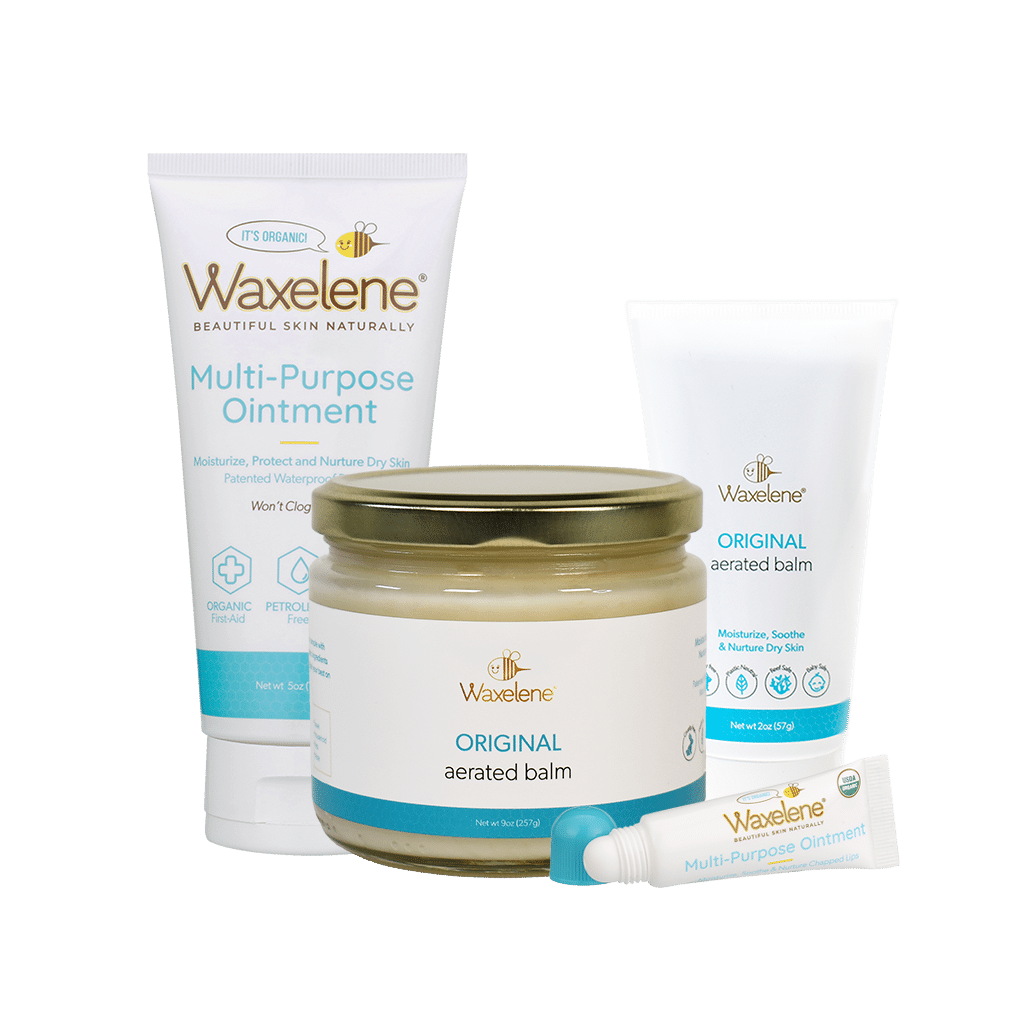
In recent years, there has been a growing interest in natural and supportive approaches to managing eczema symptoms, especially dryness and irritation. Certain oils and emollients can help soothe the skin by improving moisture retention and reducing sensitivity. As a result, many people look for simple, multi-purpose products that help protect the skin without harsh ingredients, such as Waxelene Aerated Balm.
Final Thoughts
Eczema and allergies are closely related, but their connection is not always simple.
Rather than being caused solely by allergies, eczema is influenced by a combination of factors, including the immune system, environmental triggers, and the condition of the skin barrier.
By understanding your triggers and maintaining a consistent skincare routine, you can take meaningful steps toward managing your symptoms more effectively.



0 Comments