
Itchy skin has a way of getting your attention.
It can start subtly — a slight tightness after a shower, a dry patch that won’t quite go away — or it can show up all at once, uncomfortable enough to distract you throughout the day. While it’s often dismissed as a minor inconvenience, persistent itching is usually a sign that your skin is out of balance.
Understanding why it happens is the first step toward finding lasting relief.
What Causes Itchy Skin?
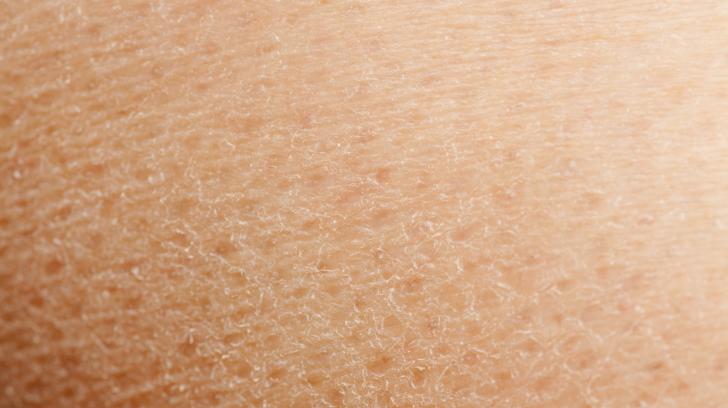
In most cases, itchy skin is closely tied to dryness. When the skin loses moisture, its protective barrier becomes compromised, making it more sensitive to environmental stressors and more prone to irritation.
The skin barrier — often referred to as the outermost layer of the skin — plays a critical role in maintaining hydration. It acts as a shield, keeping water in and irritants out. When that barrier weakens, moisture escapes more easily, and the skin becomes dry, tight, and itchy.
Several factors can contribute to this process:
- Hot water exposure: Long, hot showers strip the skin of its natural oils.
- Harsh cleansers: Soaps with strong detergents or fragrances can disrupt the skin’s balance.
- Dry environments: Indoor heating and air conditioning reduce humidity, leading to moisture loss.
- Aging: As the skin matures, it naturally produces less oil, making dryness more common.
- Over-cleansing: Washing too frequently can weaken the skin barrier over time.
While these triggers are common, the underlying issue is often the same: a weakened skin barrier and a lack of sufficient moisture.
How to Relieve Itchy Skin Effectively
Relief doesn’t usually come from adding more products. In fact, a simplified approach is often more effective — especially for sensitive or reactive skin.
1. Adjust Your Water Temperature
Hot water may feel soothing in the moment, but it can significantly dry out the skin. Switching to lukewarm or cool water helps preserve natural oils while still allowing for effective cleansing.
Shorter showers — ideally under 10 minutes — can also make a noticeable difference in preventing dryness.

2. Choose Gentle Cleansers
Not all cleansers are created equally. Many traditional soaps contain ingredients that can strip the skin’s natural oils and weaken its protective barrier over time, especially for those with sensitive or dry skin.
Opting for mild, fragrance-free formulas can help maintain balance, allowing the skin to feel clean without becoming tight or irritated.
For those looking for a simpler approach, a minimal-ingredient castile soap can be a gentle alternative. Designed to cleanse without harsh additives, it supports the skin’s natural barrier while helping remove impurities without causing unnecessary dryness or flare-ups.

3. Moisturize Immediately After Bathing
Timing matters when it comes to hydration.
Applying a moisturizer right after showering — while your skin is still slightly damp — helps lock in moisture and prevent water loss. This step is one of the most effective ways to reduce dryness and support long-term skin health.
Products that create a protective layer on the skin can be especially helpful, as they reinforce the barrier and reduce ongoing moisture loss.
4. Support Your Skin Barrier
Instead of layering multiple products, focus on strengthening the skin barrier itself.
Occlusive formulas can help protect dry or irritated areas. This is particularly useful for conditions like eczema, chafing, or seasonal dryness.
A multi-purpose ointment can often replace several steps in your routine while providing consistent support throughout the day.
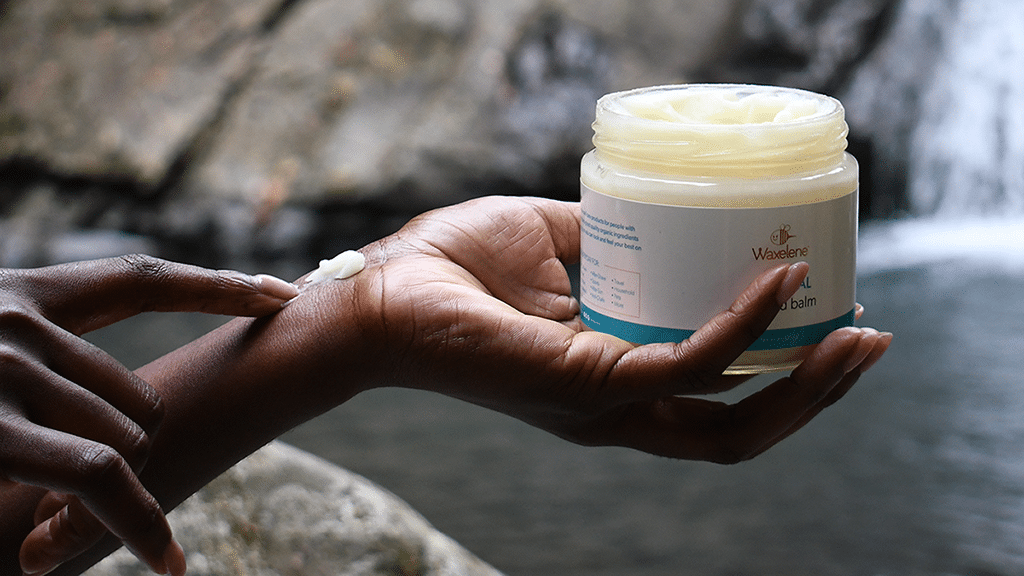
For those looking for a straightforward solution to dry, itchy skin, a product like Waxelene offers a practical alternative to more complex routines.
Formulated with a short list of carefully selected ingredients, it helps create a breathable barrier that seals in moisture without overwhelming the skin.
Because it is free from petroleum and unnecessary fillers, it is often well-suited for sensitive skin types. Its versatility also makes it useful for a range of common concerns — from dry patches and minor irritation to chafing and lip care.
Instead of relying on multiple specialized products, using a single multi-purpose ointment can help maintain consistency, which is key when supporting the skin barrier over time.
5. Improve Your Environment
Environmental factors are easy to overlook but play a significant role in skin hydration.
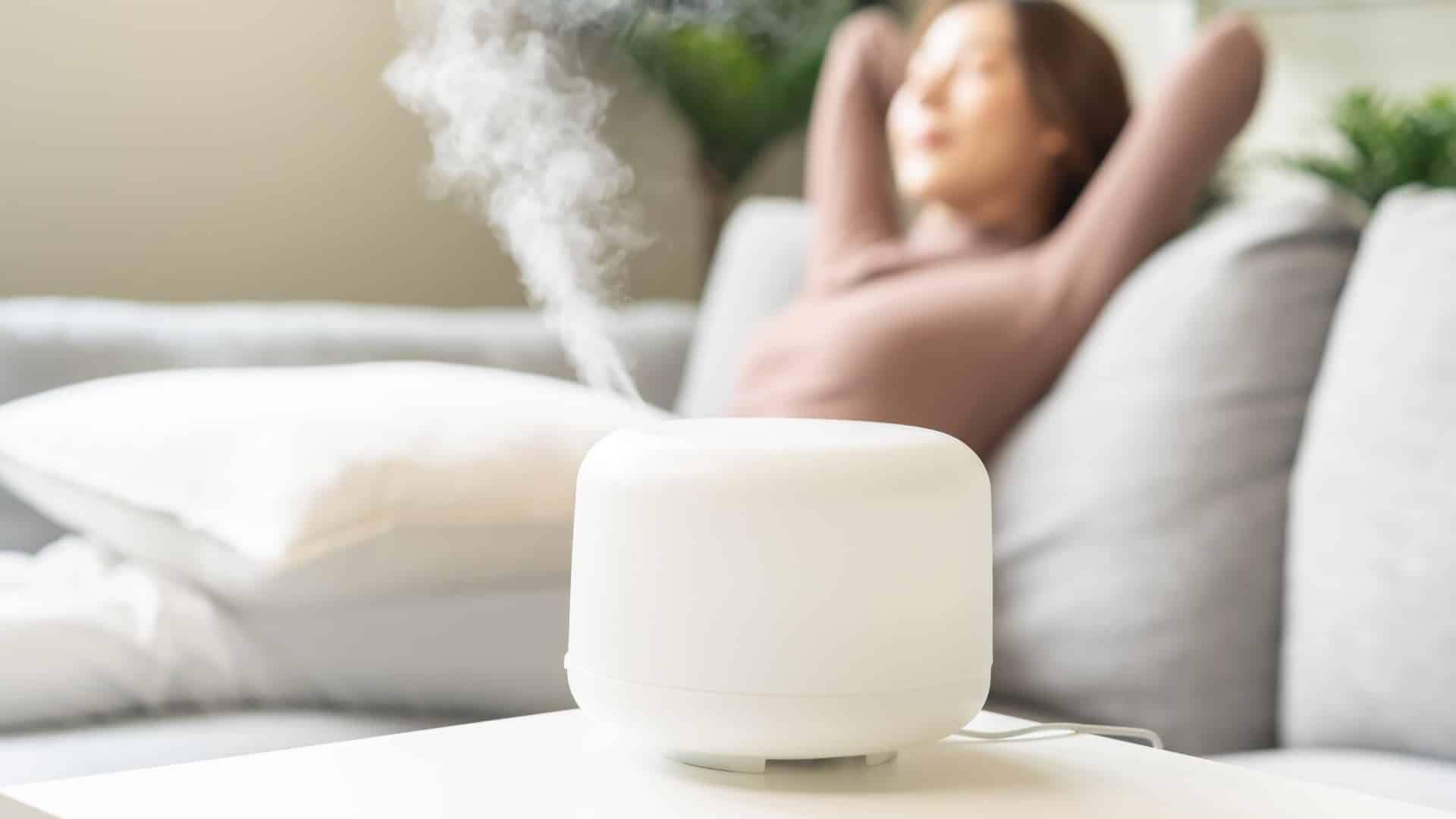
Using a humidifier in your home, especially during colder months, can help restore moisture to the air and reduce dryness. Even small changes in your environment can have a cumulative effect on your skin over time.
A Simpler Approach to Skincare
When dealing with itchy or sensitive skin, more is not always better.
Complicated routines with multiple active ingredients can sometimes worsen irritation. Instead, focusing on fewer, well-formulated products allows the skin to recover without additional stress.
This is where multi-purpose products become especially valuable.
Rather than switching between different creams for different concerns, a single product designed to protect and hydrate can simplify your routine while still addressing multiple needs.
Natural Ingredients That Can Help Soothe Itchy Skin
In addition to maintaining a simple routine, certain natural ingredients have long been used to calm and support irritated skin.
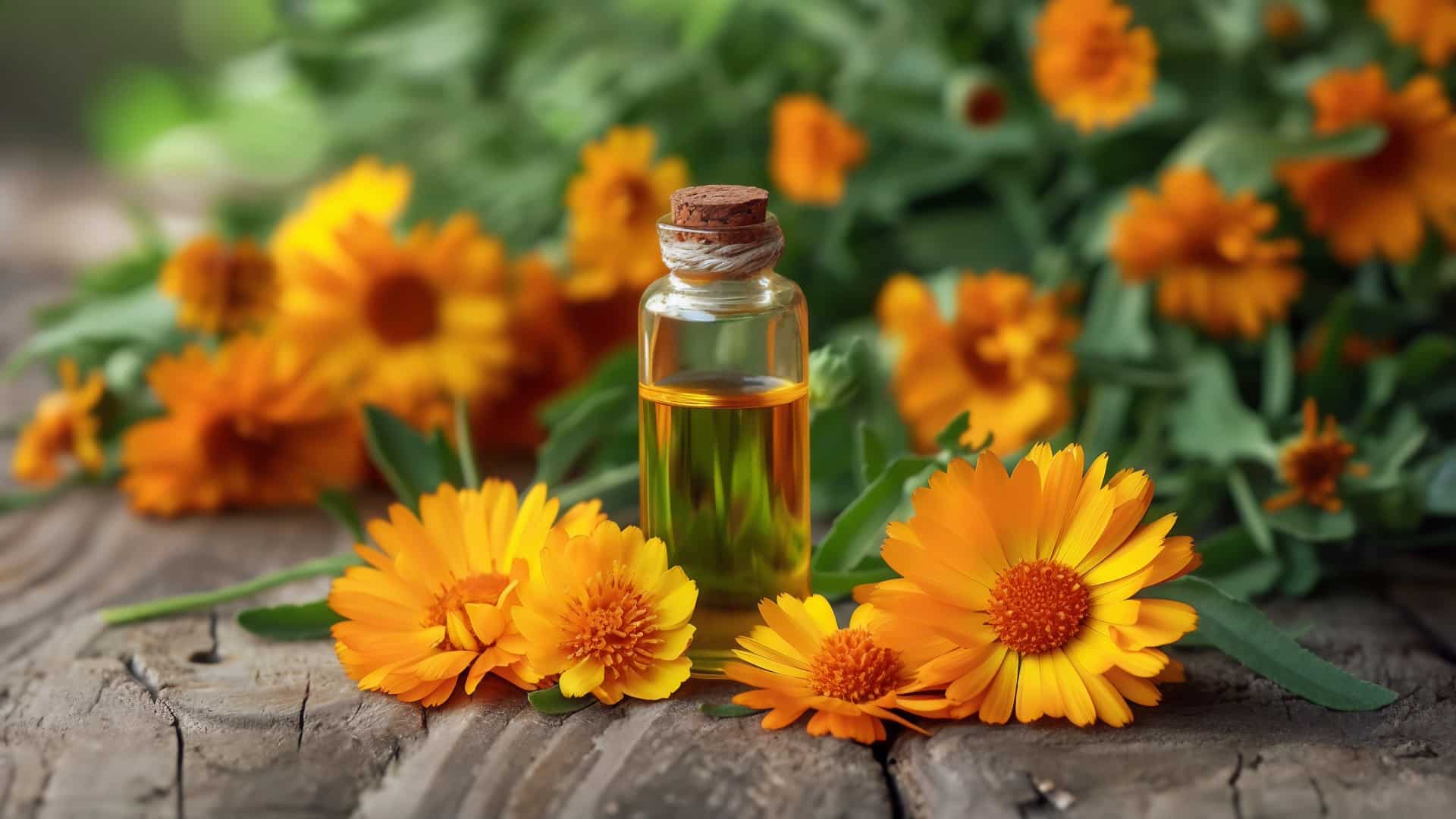
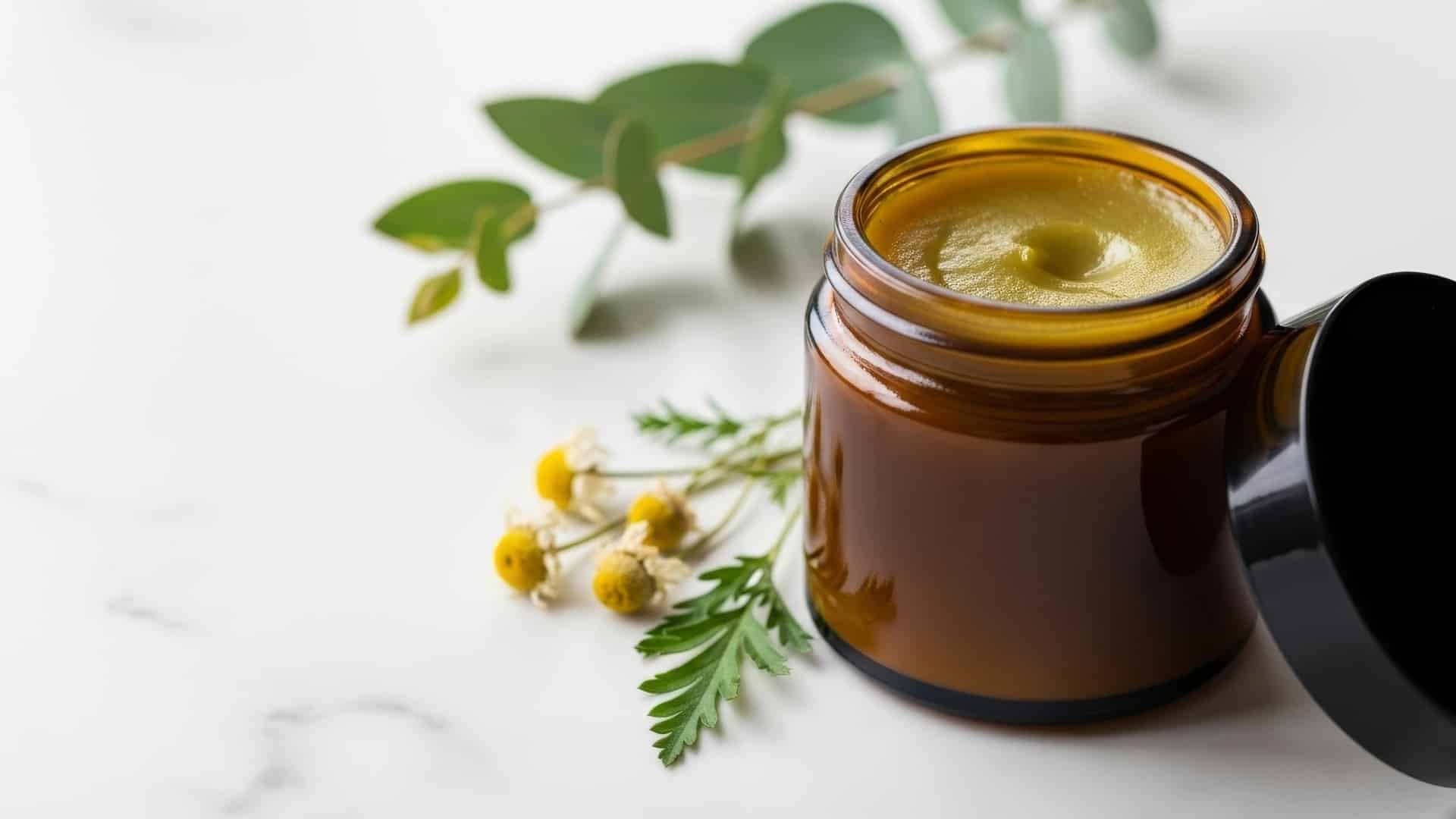
Calendula for Itchy Skin
This herb, also known as common marigold, has yellow or orange flowers that are a familiar sight in many gardens and flower beds. Calendula essential oil can be mixed with Waxelene aerated balm and applied to the skin.
Chamomile for Itchy Skin
A member of the daisy family, chamomile is perhaps most widely used as a soothing herbal tea. But in Germany, chamomile cream was found to be almost as effective as hydrocortisone at healing dermatitis, skin ulcers, and other minor irritations. Chamomile can be mixed with Waxelene aerated balm and applied to the skin.
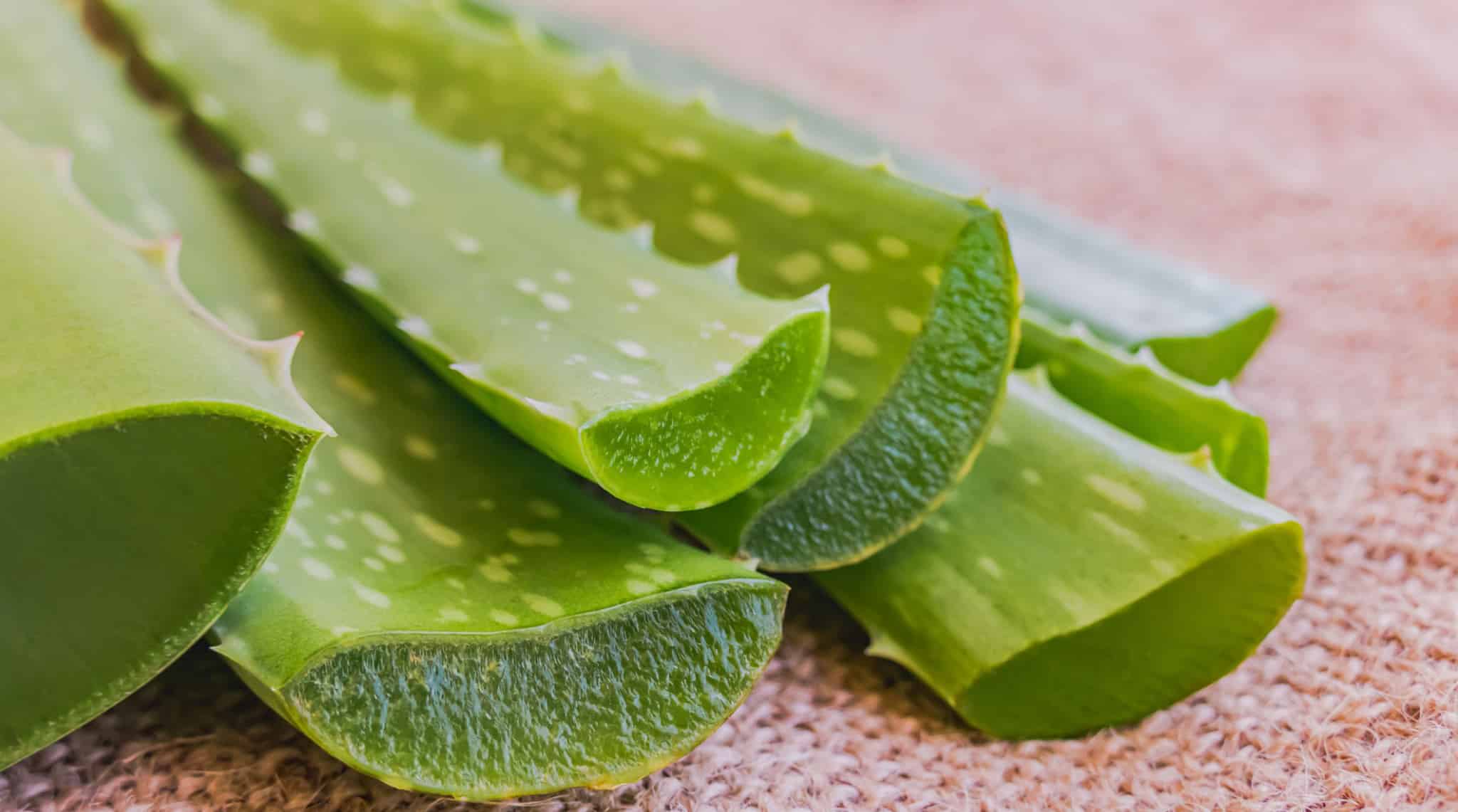
Aloe vera for Itchy Skin
This soothing liquid may have been one of the key ingredients used to preserve ancient Egyptian mummies. Use aloe vera fresh or substitute one of the many aloe-based products you’ll find at the drugstore.
Final Thoughts: Back to Basics
When your skin feels off, it’s easy to reach for more — more products, more steps, more solutions.
But real relief often comes from simplifying.
A routine built around hydration, protection, and a few reliable essentials can do more than an entire shelf of products. Especially when those essentials are designed to support the skin barrier, not work against it.
Because in the end, effective skincare isn’t about doing everything — it’s about choosing what actually works, and using it consistently.



Thank you very much for sharing, I learned a lot from your article. Very cool. Thanks. nimabi