
If you’ve noticed new sensitivities, breakouts that seem to come out of nowhere, or a sense that “the products that used to work just don’t anymore” you’re not imagining it. Before blaming your skin, it’s worth looking at what you’re exposing it to every day. That includes your skincare, but also your kitchen, your cleaning cabinet, and everywhere in between. Most of us are in contact with far more chemicals than we realize, often without knowing what they do or why they’re there.
Why Your Skin Barrier Gets More Reactive Over Time
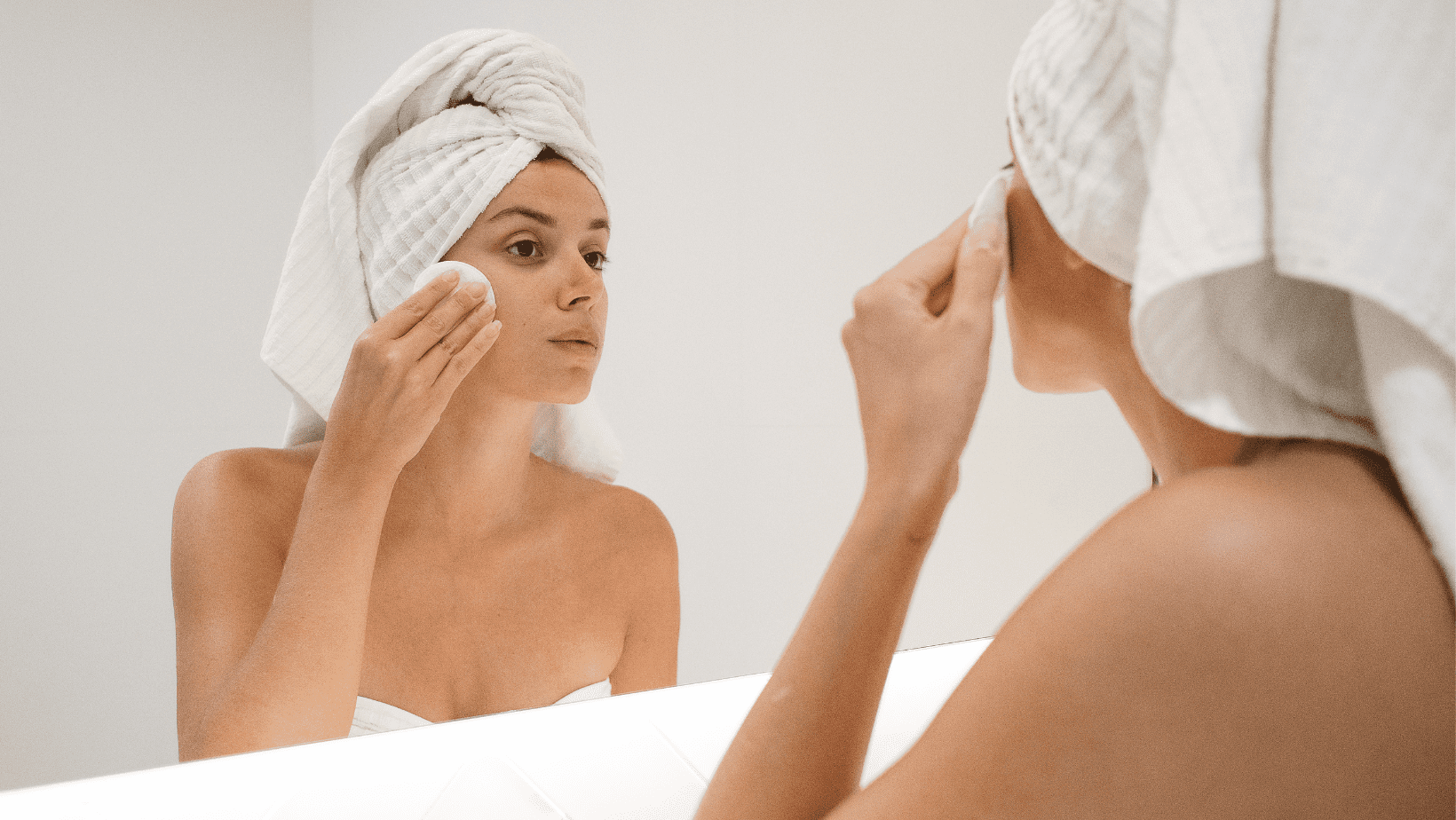
Skin is not a sealed barrier. It’s a living, breathing organ, and it’s your body’s largest one. It absorbs a portion of whatever touches it, and that absorption isn’t constant throughout life. Over time, skin naturally becomes thinner and produces less of its own protective oil, called sebum. That means it can become more permeable and more reactive to synthetic fragrances, preservatives, and harsh surfactants. Years earlier, it may have tolerated these easily.
This is one reason people often develop sensitivities to products they’ve used for years without issue. It’s not that the product changed, it’s that the skin’s relationship to that product has.
The Ingredient List Worth Keeping On Your Phone
Once you start reading labels, a few repeat offenders show up again and again. You’ll spot them across skincare, cleaning products, and even food packaging. Here’s a practical list worth remembering:
Fragrance or parfum, an umbrella term that can legally hide dozens of undisclosed chemicals. Parabens, preservatives still under research for their hormone-mimicking potential. Sulfates like sodium lauryl sulfate, strong foaming agents that strip natural oils. Phthalates, often used to make fragrance last longer or plastic more flexible, and linked to hormone disruption. Formaldehyde-releasing preservatives, sometimes listed under less recognizable names like DMDM hydantoin. Triclosan, an antibacterial agent found in some soaps and cleaning sprays, linked to hormone and thyroid concerns. Bisphenol-A, or B-P-A, found in some plastic containers and can linings.
You don’t need to memorize the chemistry. Just recognizing these names on a label is often enough to make a different choice on the shelf.
Beware the “Greenwashed” Label
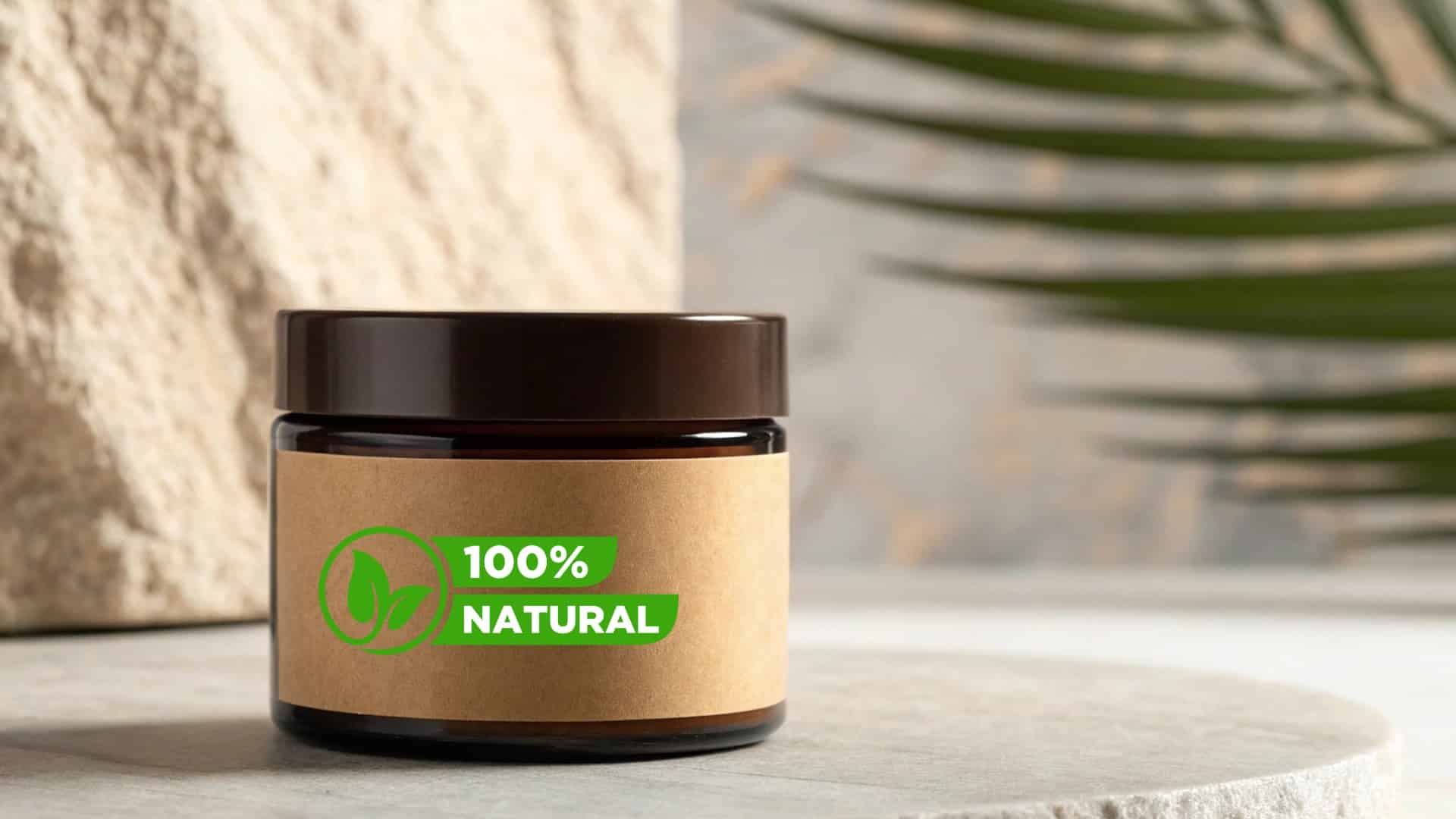
Here’s the tricky part: plenty of brands market themselves as natural, clean, or green. Many don’t actually hold up once you flip the product over. This is sometimes called greenwashing, and it’s extremely common. A product can say “made with natural ingredients” on the front while still containing synthetic fragrance and parabens in the actual ingredient list.
The fix is simple but requires a bit of discipline: always read the back label, not just the front claim. Look for full transparency around what ‘fragrance’ means. Check whether preservatives are named specifically, and don’t assume a plant on the packaging guarantees a plant-based formula.
It’s Not Just Skincare: Rethinking Your Kitchen
Your skin isn’t the only place absorbing unnecessary chemicals. Your kitchen is a major, often overlooked source of daily exposure, especially through what touches your food.
Plastic containers, particularly older or scratched ones, can leach chemicals into food when heated or when storing acidic or fatty foods. Swapping plastic tupperware for glass or stainless steel containers is one of the simplest upgrades you can make. This matters especially for anything going in the microwave. Non-stick pans coated with older Teflon-style chemicals are another common source. Cast iron, stainless steel, or ceramic-coated pans are sturdier alternatives that hold up over years of use. Even something as small as switching from plastic wrap to beeswax wraps or silicone lids reduces one more point of daily plastic contact.

Cleaning Products: The Chemicals You Breathe In, Not Just Touch
Household cleaning products deserve their own look. Unlike skincare, you inhale many of these chemicals as well as touch them, through sprays, fumes, and residue left on surfaces where you later prepare food.
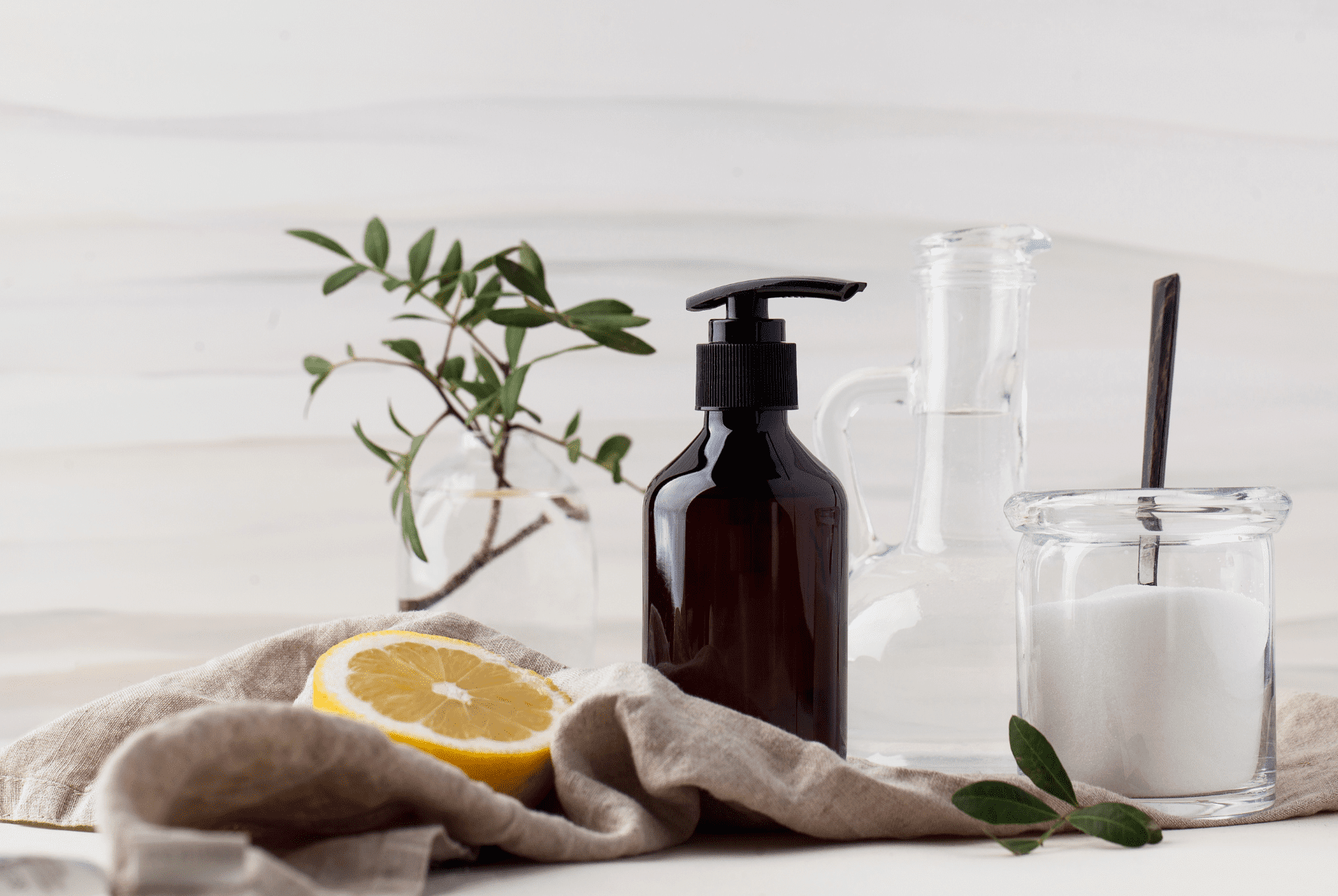
Many conventional degreasers, glass cleaners, and disinfectants rely on ammonia, chlorine bleach, or synthetic fragrance to feel ‘effective.’ With regular use, these can irritate skin, eyes, and airways. Look for cleaning brands that disclose their full ingredient list, avoid the vague word “fragrance,” and skip chlorine bleach for oxygen-based alternatives when possible. Simple staples like plain white vinegar, baking soda, and castile soap can handle a surprising number of household cleaning tasks without any of the above.
How to Audit What You’re Exposed to Daily
A full-home ingredient audit sounds overwhelming, but it’s manageable if you break it down:
Start with whatever touches your skin the longest, like moisturizer, lip balm, or anything left on overnight rather than rinsed off quickly. Then move to your kitchen, checking which containers and pans are plastic-based or scratched and due for replacement. Finally, check your cleaning cabinet for the vaguest labels, the ones that just say “fragrance” or list nothing at all beyond a scent name. Tackle one room every week or two rather than everything at once, and you’ll get through your whole home without the overwhelm.
5 Small Swaps to Help You Get Started
A few sustainable changes tend to make the biggest difference without requiring a full lifestyle overhaul:
- Choose fragrance-free lotion for at least part of the week, especially if you also wear perfume, since layering fragrance sources compounds exposure.
- Pick one multi-purpose product with a short, recognizable ingredient list over a drawer full of single-use items with overlapping chemicals.
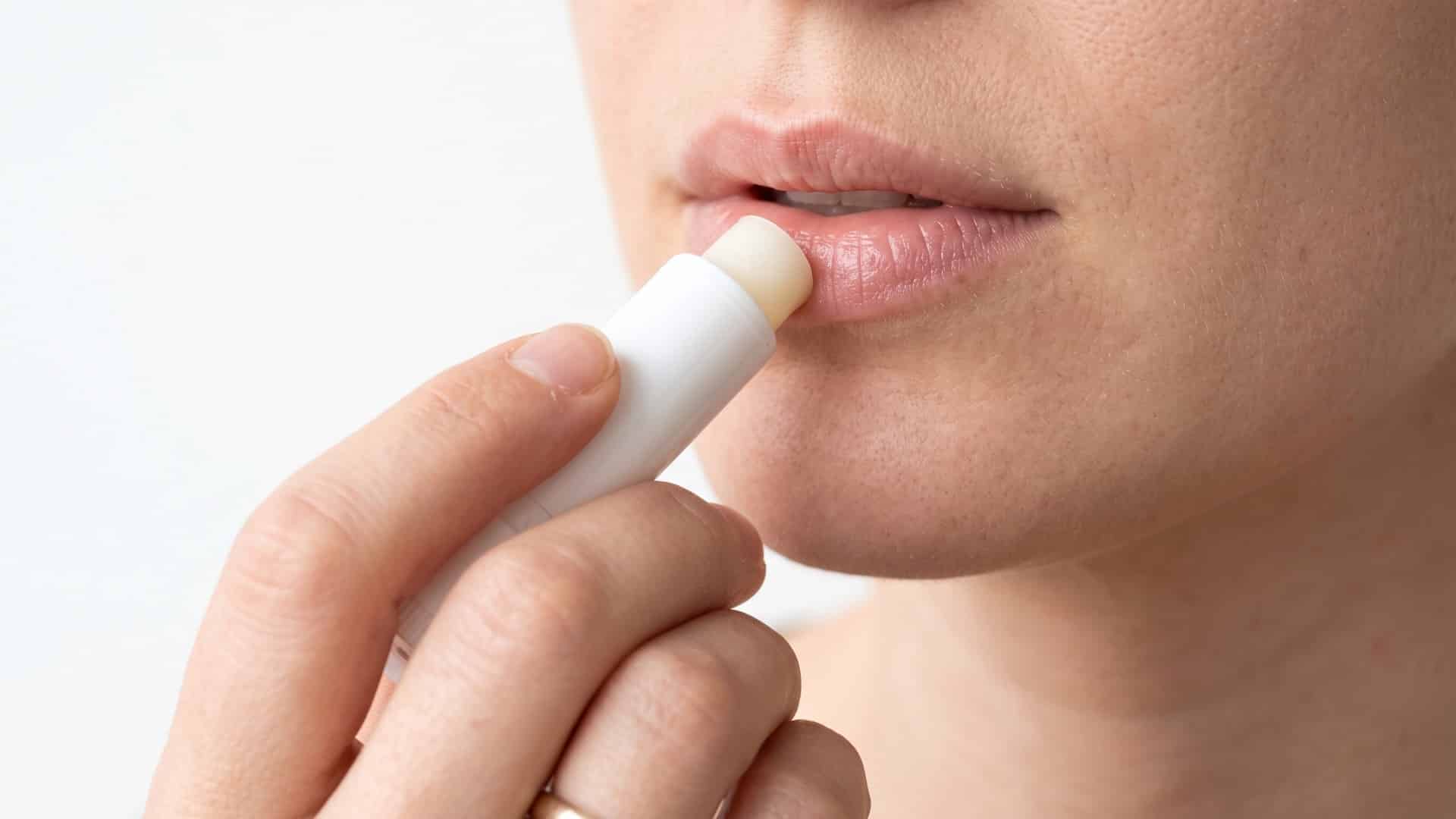
- Pay close attention to lip products specifically, since lips have thinner skin, no oil glands, and whatever’s applied there is often partially ingested.
- Reserve strong active ingredients, like retinoids or acids, for nighttime only, giving your skin recovery time.
- In the kitchen, prioritize replacing whatever gets heated, since heat is what accelerates chemical leaching from plastic the most.
The Philosophy Behind Waxelene
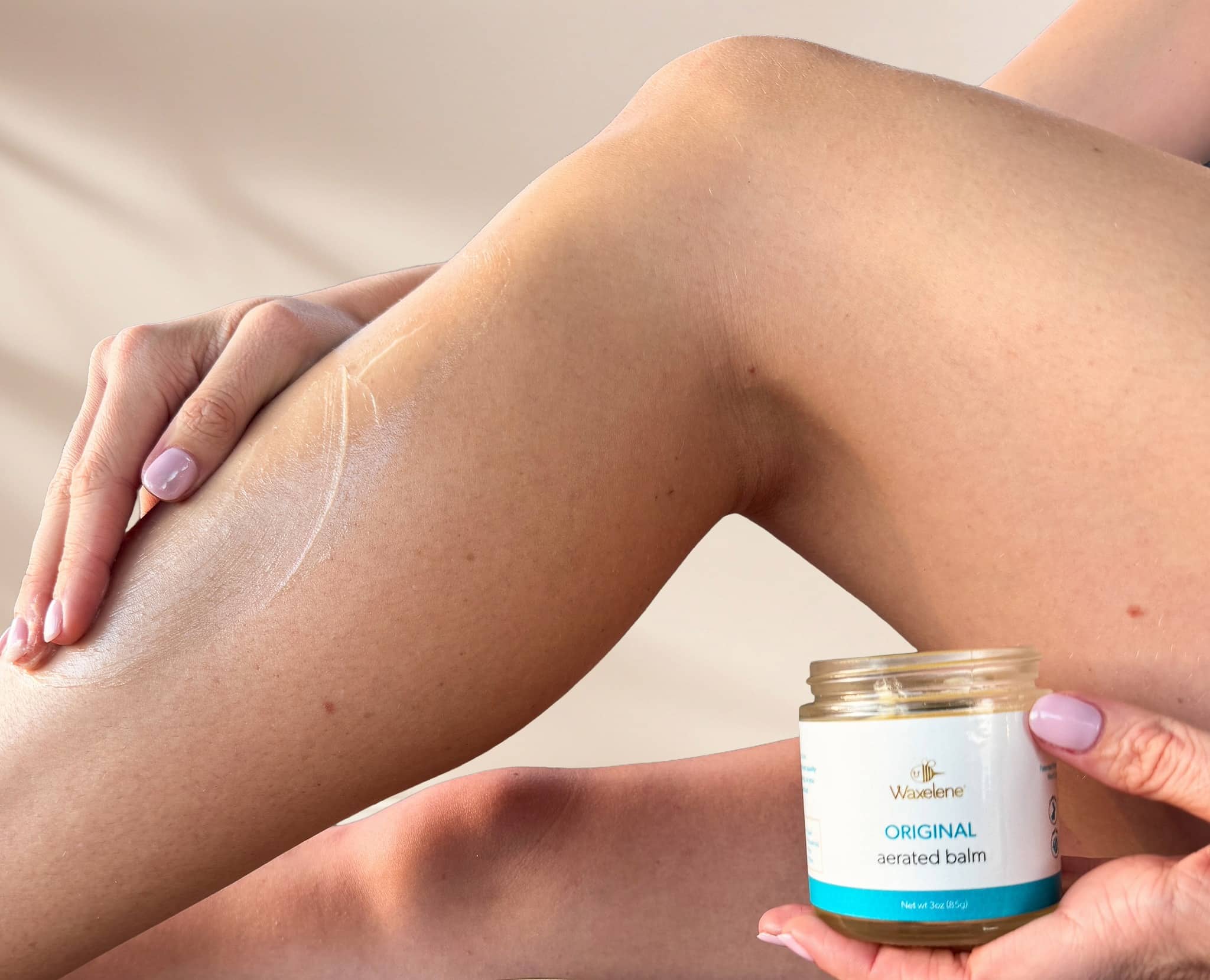
Waxelene was born as a petroleum-jelly alternative made with just a handful of recognizable, plant-based ingredients. No synthetic fragrance, no parabens, no petroleum. It’s built to do the work of several products at once, moisturizer, lip balm, diaper rash cream, eczema care, cuticle care. That means fewer total ingredients touching your skin daily, without giving up effectiveness.
After 15 years, that original four-ingredient formula hasn’t changed. We go the extra mile to source the best ingredients for skin. Combining nature and science, we use advanced technology to process the formulas in small batches and meet the highest standards of quality. Now we have expanded our range of products, always mantaining that philosophy.
If simplifying your routine and cutting back on unnecessary exposure sounds appealing, Waxelene is a natural place to start: one honest, minimal-ingredient jar replacing several less transparent ones.



0 Comments