
Sustainability has become a familiar word in skincare, but familiarity doesn’t always come with clarity. Many products are marketed as “green” or “eco-friendly,” yet few explain what those terms actually mean—or how much impact everyday skincare choices can have on the environment.
Did you know that an estimated 15–20% of personal care products end up in wastewater systems, eventually reaching rivers, lakes, and oceans? That means the products you rinse off daily carry a footprint far beyond your bathroom sink. Understanding what makes skincare biodegradable is an important step toward reducing this impact.

Biodegradable skincare focuses on what happens after a product is used. From the ingredients in a formula to how it breaks down once rinsed away, these details play a significant role in determining whether a product supports natural ecosystems or contributes to long-term pollution.
What Is Biodegradable Skincare?
Biodegradable skincare refers to products formulated with ingredients that naturally break down into non-toxic components after use. When exposed to microorganisms in soil or water, these ingredients decompose rather than persisting in the environment for years.
This distinction matters because skincare products don’t simply disappear once they’re washed off. Balms, lotions, and creams inevitably enter wastewater systems and, eventually, natural ecosystems. If those formulas rely on petroleum-derived or non-biodegradable ingredients, they can accumulate and contribute to environmental harm over time.
Biodegradable skincare prioritizes ingredients designed to work in harmony with natural cycles instead of disrupting them.

Why Biodegradability Is Often Misunderstood
Biodegradable doesn’t automatically mean “natural,” and natural doesn’t always mean biodegradable. Some plant-based ingredients break down easily, while others are heavily processed in ways that reduce their environmental benefits.
At the same time, certain lab-created ingredients may biodegrade efficiently but still rely on non-renewable resources. What truly matters is the ingredient’s full lifecycle—from sourcing and formulation to disposal. Transparency around this process helps consumers distinguish genuine sustainability from marketing language.
The Environmental Impact of Skincare Ingredients
Skincare products create a unique environmental challenge because their impact extends far beyond personal use. Ingredients are rinsed away daily, carrying their footprint into water systems that support both land and marine life.
When non-biodegradable ingredients enter these systems, they can persist for long periods, increasing the risk of pollution. Over time, this accumulation affects soil health, waterways, and oceans, making ingredient choice a critical part of eco-friendly skincare.
Even small actions—like swapping a daily face cream for a biodegradable alternative—can make a difference. Multiply this by thousands of consumers, and the impact becomes significant.

Biodegradable Skincare and Reef Safe Practices
Reef safe skincare refers to products formulated without ingredients known to harm coral reefs and marine ecosystems. Many conventional skincare ingredients can travel from wastewater into rivers and oceans, where they may contribute to coral bleaching and disrupt marine life.
Biodegradable skincare naturally supports reef safe practices. Ingredients that break down efficiently are less likely to persist in marine environments or interfere with delicate ocean ecosystems. This connection makes biodegradability a key foundation for products designed to be safe for oceans.
At Waxelene, biodegradability and reef safe principles go hand in hand. By focusing on ingredients that are both biodegradable and gentle on aquatic ecosystems, the brand aims to reduce its environmental impact beyond the skin.
Why Packaging Matters in Sustainable Skincare
Even the most thoughtfully formulated skincare product can lose its sustainability value if it’s packaged irresponsibly. Packaging waste remains one of the largest contributors to environmental pollution in personal care.
Glass packaging offers a more sustainable alternative to plastic. It can be recycled repeatedly without losing quality and doesn’t shed microplastics into the environment. Reusable containers further reduce waste by minimizing the need for constant production and disposal.
Choosing sustainable packaging is just as important as choosing biodegradable ingredients when it comes to eco-friendly skincare.

What Makes a Skincare Product Truly Eco-Friendly?
Eco-friendly skincare isn’t defined by a single feature. It’s the result of several decisions working together: ingredient selection, sourcing, formulation, packaging, and even how many products a consumer needs to use.
Products designed for multiple purposes often have a lower environmental impact than those meant for a single, narrow use. Fewer products mean less packaging, less manufacturing, and less waste overall. When those products are also biodegradable and petroleum-free, their footprint becomes even smaller.
Rather than chasing trends, eco-friendly skincare focuses on longevity—both for the product itself and for the environment it interacts with.
The Problem With Petroleum-Based Skincare
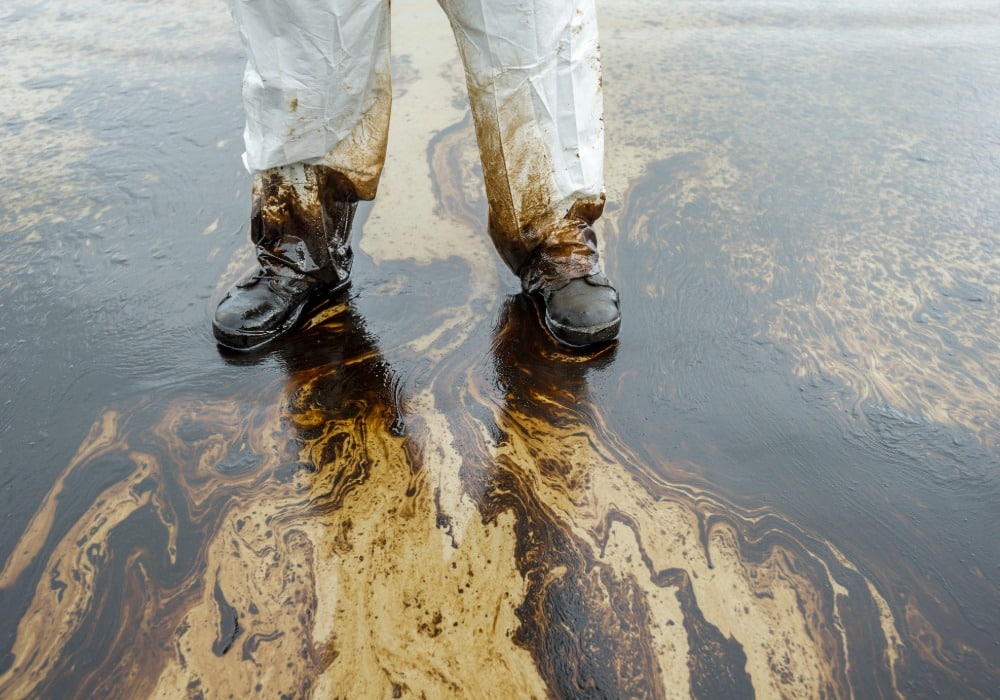
Petroleum-based skincare products come with environmental drawbacks. Petroleum is a fossil fuel, making it non-renewable and not biodegradable.
Once washed off, petroleum-based products don’t break down easily and can persist in ecosystems for extended periods, including marine environments. Over time, this accumulation contributes to soil contamination and harms aquatic life.
As awareness grows, many consumers are seeking petroleum-free alternatives that align more closely with their environmental values. Choosing biodegradable, plant-based alternatives helps reduce long-term environmental damage.
Where Waxelene Fits Into Biodegradable and Reef Safe Skincare
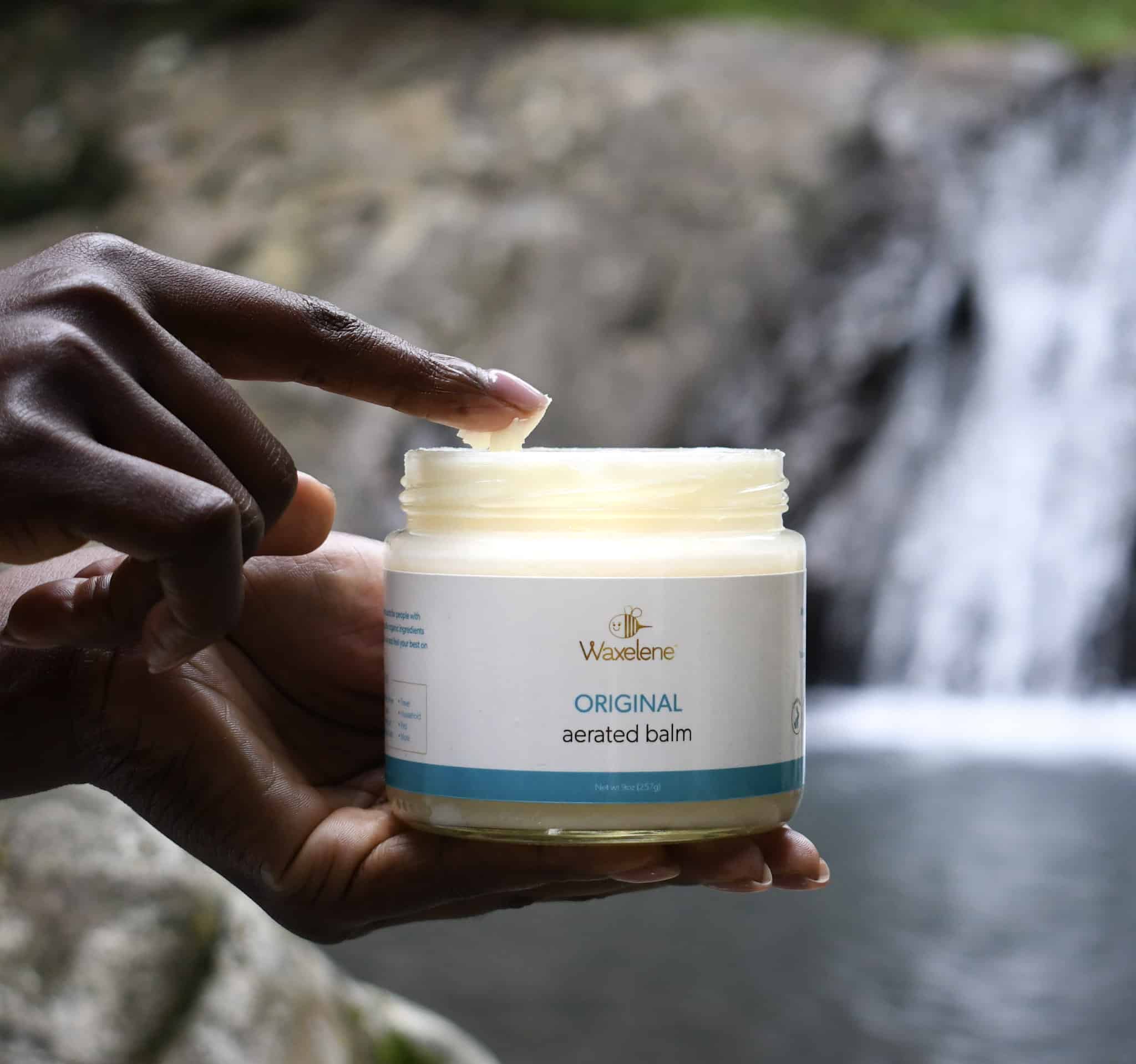
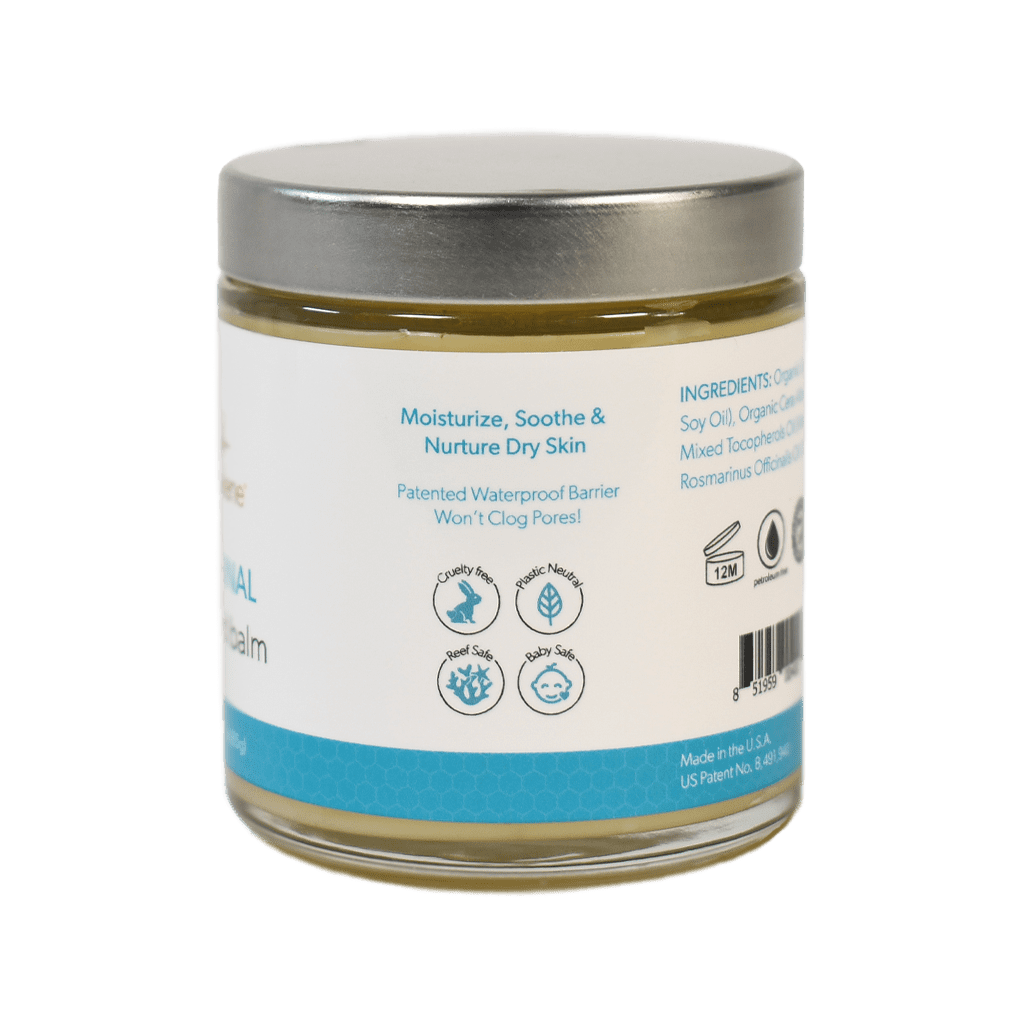
Waxelene was created as a petroleum-free alternative to traditional petroleum jelly, using biodegradable, naturally derived ingredients.
Its multi-purpose benefits allow it to replace several conventional skincare products, reducing overall packaging waste. Waxelene is also formulated with reef safe principles in mind, helping minimize its potential impact on oceans and marine life once the product is rinsed away.
With aluminum bottles and tins, as well as glass jars and gallons, Waxelene addresses both sides of sustainable skincare: responsible ingredients and thoughtful packaging choices.
Rethinking Skincare Habits
Reducing environmental impact doesn’t require extreme changes. It often starts with awareness. When people begin to understand how much waste their daily routines generate, small adjustments feel more meaningful.
Switching to biodegradable skincare, choosing products with reusable or glass packaging, and favoring multi-purpose solutions are all steps that add up over time. These choices don’t just benefit the environment—they also simplify routines and encourage more intentional consumption.
💡 Simple Steps to Make Your Skincare Routine More Eco-Friendly:
-
Choose products with biodegradable ingredients.
-
Opt for glass or reusable packaging.
-
Favor multi-purpose products to reduce overall consumption.
-
Check if your products are reef safe.
Small choices become big changes when multiplied across daily routines—and they help make skincare both effective for you and responsible for the planet.




0 Comments