
If you’ve spent any time exploring wellness blogs or clean beauty communities over the last few years, you’ve probably noticed a growing trend: people are becoming far more mindful about the products they use every single day.
From skincare to household cleaning products, consumers are starting to ask a simple question—what’s actually inside these formulas?
One of the easiest places to start making healthier choices is right in your bathroom. After all, it’s where your daily routine happens: your shower, your skincare, and the products that come into direct contact with your skin.
Creating a non-toxic bathroom doesn’t mean throwing everything away or completely reinventing your routine overnight. Instead, it’s about making thoughtful swaps toward simpler, more natural products that support healthier skin.
If you’re curious about building a cleaner, more intentional routine, here are a few easy non-toxic bathroom swaps that can help you move toward healthier skin.

Switch to a Natural Cleanser
Your cleanser is the product that touches the largest area of your skin every single day, which is why it’s one of the most important swaps you can make.
Many conventional body washes rely on synthetic fragrances, foaming agents, and long ingredient lists that can strip the skin of its natural oils. While they create a rich lather, they may also leave your skin feeling dry or tight after showering.
A simpler option is Castile soap, a traditional plant-based soap that has been used for generations. These soaps are typically made from natural oils and minimal ingredients, making them a gentle option for daily cleansing.
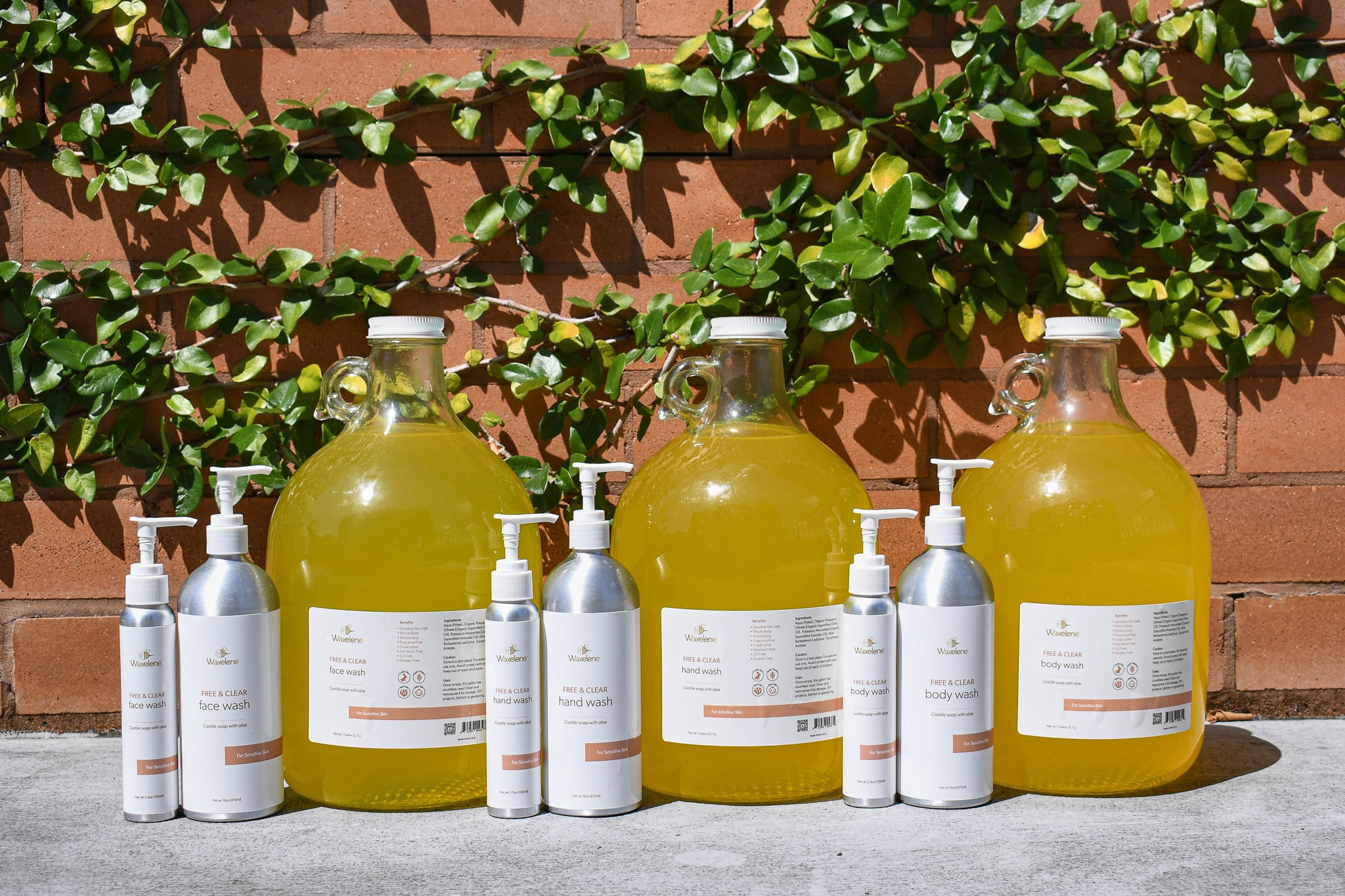
Our Waxelene Castile Soap Collection is crafted with 100% natural ingredients, making it an easy addition to a natural shower routine. Because Castile soap is naturally versatile, it can often replace multiple products in your shower.
Starting with a clean, plant-based cleanser is one of the most effective ways to begin building a non-toxic bathroom routine.
Switch to Non-Toxic Haircare Products
Haircare products are another major part of most bathroom routines, yet many shampoos and conditioners contain long ingredient lists filled with synthetic fragrances, silicones, and strong cleansing agents.
While these ingredients can make hair feel temporarily smooth or extra clean, they can sometimes leave buildup on the scalp or strip the hair of its natural oils over time.
A more balanced approach is choosing simpler haircare formulas made with fewer ingredients and gentler cleansing agents. Many people find that their scalp feels healthier when they switch to products that focus on mild surfactants and plant-based ingredients.
If you’re trying to create a more non-toxic bathroom routine, it can also be helpful to check ingredient labels and avoid some of the more common additives found in conventional shampoos.
Some common ingredients many people choose to avoid include:
-
Sodium Lauryl Sulfate (SLS) and Sodium Laureth Sulfate (SLES), strong detergents that can sometimes be harsh on sensitive scalps
-
Synthetic fragrance, which may contain undisclosed fragrance blends
-
Parabens such as methylparaben or propylparaben, commonly used as preservatives
-
Silicones like dimethicone, which can create buildup on the hair over time

Choose Better Towels
Towels might seem like a small detail, but they come into contact with your skin every day.
Many towels are washed with heavily fragranced detergents or treated with fabric softeners that leave residues behind.
For a cleaner routine, try:
-
Using 100% cotton towels
-
Washing them with mild or fragrance-free detergent
-
Skipping fabric softener
These small changes can help reduce unnecessary irritants for sensitive skin.
Replace Synthetic Bath Sponges
Bath sponges and shower poufs are extremely common in modern bathrooms, but they’re not always the most hygienic tools.
Many of the colorful mesh sponges sold in stores are made from plastic materials that trap moisture and soap residue. Because they stay damp for long periods of time, they can easily collect bacteria and mildew if they aren’t replaced frequently.
A simpler alternative is switching to more natural options like plant-based loofah sponges or washable cotton washcloths.
Natural loofahs come from the fibrous interior of the loofah plant and provide gentle exfoliation while cleansing the skin. They help remove dead skin cells without the harsh scrubbing that some synthetic sponges create.
Another great option is using simple cotton washcloths, which can be washed regularly and reused many times. This keeps your shower routine more hygienic while also reducing unnecessary plastic in the bathroom.
If you’re trying to build a non-toxic bathroom, replacing synthetic bath sponges is one of the easiest and most overlooked swaps you can make.

Install a Shower Water Filter
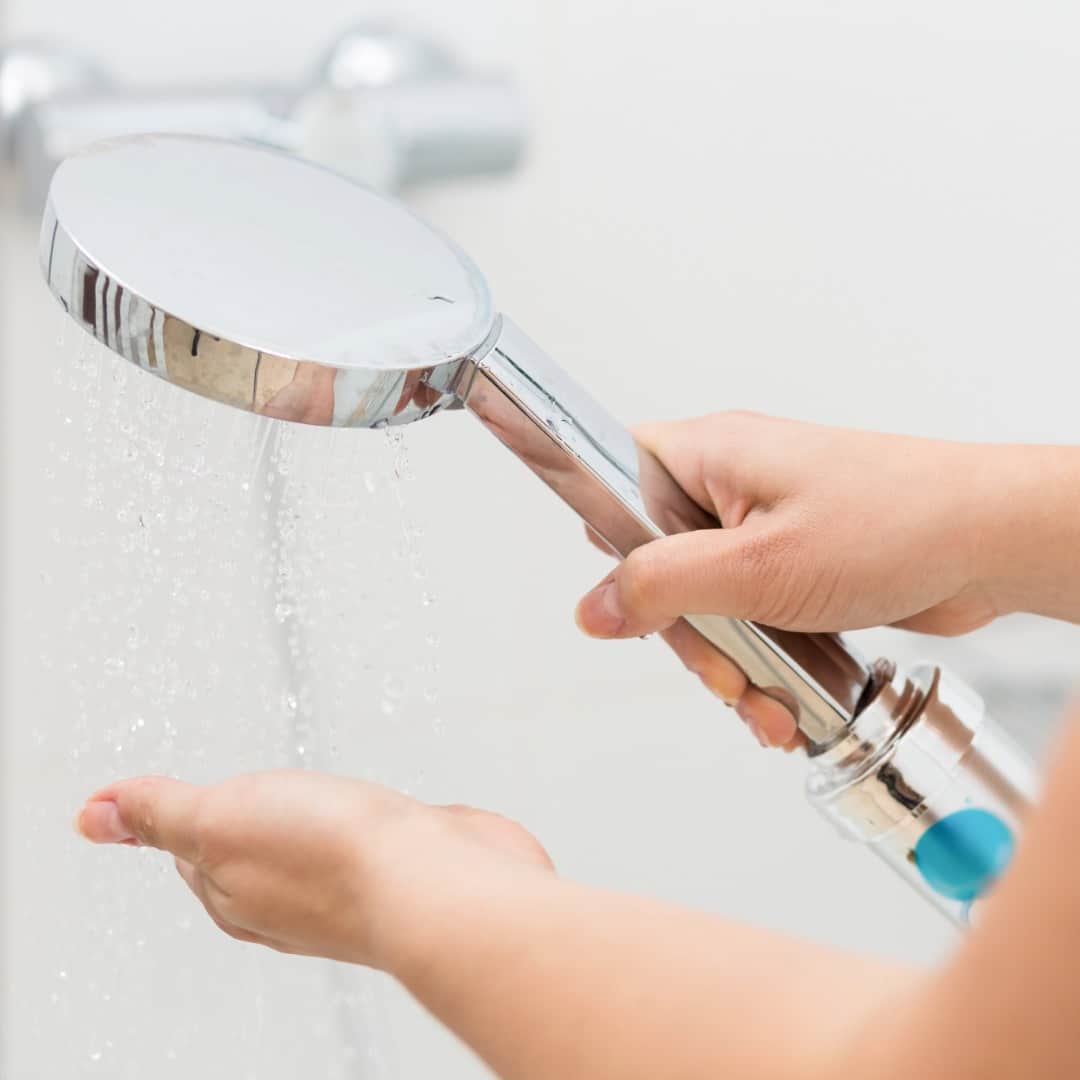
Tap water in many areas contains minerals, chlorine, and other additives used to keep water safe for public use. Shower filters are designed to reduce chlorine and certain impurities before the water reaches your skin and hair. Many people notice that filtered water feels gentler on the skin, especially for those with sensitive skin conditions like eczema.
Many people who switch to filtered shower water report benefits such as:
-
Softer-feeling skin
-
Less dryness after showering
-
Improved hair texture
-
A more comfortable experience for sensitive or eczema-prone skin
Most shower filters are easy to install and attach directly between the shower pipe and the showerhead, making them one of the simplest upgrades you can add to your bathroom.
Upgrade Your Razor
Disposable plastic razors are extremely common, but they often come with lubricating strips, dyes, and other synthetic materials.
A growing number of people who are building a non-toxic bathroom prefer stainless steel razors.
These razors typically:
-
Last much longer
-
Create less waste
-
Contain fewer added materials
Combined with a gentle soap or natural shaving cream, a simpler razor can provide a clean shave without unnecessary extras.

Replace Plastic Bathroom Accessories
Many bathrooms are filled with small plastic items that we barely notice—trash bins, soap dishes, storage trays, toothbrush holders, and decorative containers.
While these items are convenient and inexpensive, plastic can wear down over time, especially in warm and humid environments like bathrooms.
Simple swaps might include choosing:
-
Wooden or bamboo soap dishes
-
Glass containers for cotton pads or swabs
-
Ceramic toothbrush holders
-
A wooden or metal bathroom trash bin
Natural materials like wood, bamboo, ceramic, and glass not only reduce plastic in your space, but they also create a calmer and more minimalist atmosphere.
A non-toxic bathroom isn’t only about skincare products—it’s also about the environment you surround yourself with every day. Small upgrades in materials can make your bathroom feel cleaner, more intentional, and more connected to natural living.
Common Ingredients to Avoid in Bathroom Products
One of the easiest ways to begin building a non-toxic bathroom is simply learning how to read ingredient labels.
Many conventional personal care products contain long ingredient lists, and while not every ingredient is harmful, many people prefer to avoid certain additives when creating a cleaner routine.
Some of the most commonly avoided ingredients in bathroom products include:
• Synthetic fragrance – often listed simply as “fragrance” or “parfum,” which can represent dozens of undisclosed ingredients
• Sulfates such as Sodium Lauryl Sulfate (SLS) or Sodium Laureth Sulfate (SLES), strong cleansing agents that may be harsh on sensitive skin
• Parabens like methylparaben or propylparaben, commonly used as preservatives
• Phthalates, which are sometimes used to stabilize fragrance formulas
• Silicones such as dimethicone that can create buildup on hair and scalp
Learning to recognize these ingredients can make it much easier to choose products that align with a more natural and minimal approach to skincare and personal care.

Conclusion
Your skin is your body’s largest organ, and it interacts with everything you apply to it. While most personal care products are considered safe for general use, many conventional formulas contain long ingredient lists that include synthetic fragrances, preservatives, and additives.
For people with sensitive skin, these ingredients can sometimes contribute to dryness, irritation, or imbalance.
That’s why the clean beauty movement has gained so much traction. Instead of relying on complex formulas, clean beauty focuses on:
-
Shorter ingredient lists
-
Naturally derived ingredients
-
Multi-purpose products
-
Gentle formulations that work with your skin
When you start applying these principles to your bathroom routine, you naturally begin building a non-toxic bathroom environment that feels simpler and more supportive for your skin.




0 Comments