
Winter brings a slower rhythm—shorter days, warm layers, and time spent indoors. But for those with eczema-prone skin, the colder months often come with a familiar challenge: increased dryness, irritation, and flare-ups that feel harder to manage than at any other time of year.
Cold temperatures, low humidity, indoor heating, and subtle lifestyle changes can all place additional stress on the skin. When eczema flares, it’s natural to want fast relief. Many people respond by adding more products, more steps, and stronger solutions. Unfortunately, this can overwhelm already compromised skin.
Caring for eczema in winter is not about doing more—it’s about choosing gentle, intentional care that supports the skin barrier without overloading it.

Why Winter Triggers Eczema Flare-Ups
Eczema is closely connected to a weakened skin barrier. When this protective layer isn’t functioning properly, the skin loses moisture more easily and becomes more vulnerable to irritants.
Winter conditions amplify this issue. Cold outdoor air contains little moisture, while indoor heating further dries the environment. Frequent hand washing, hot showers, and friction from heavier clothing can all worsen sensitivity. Over time, these factors contribute to dryness, itching, redness, and inflammation.
Understanding why winter eczema flare-ups happen helps shift the focus from quick fixes to long-term skin support.
What Overloading Your Skin Means for Eczema-Prone Skin
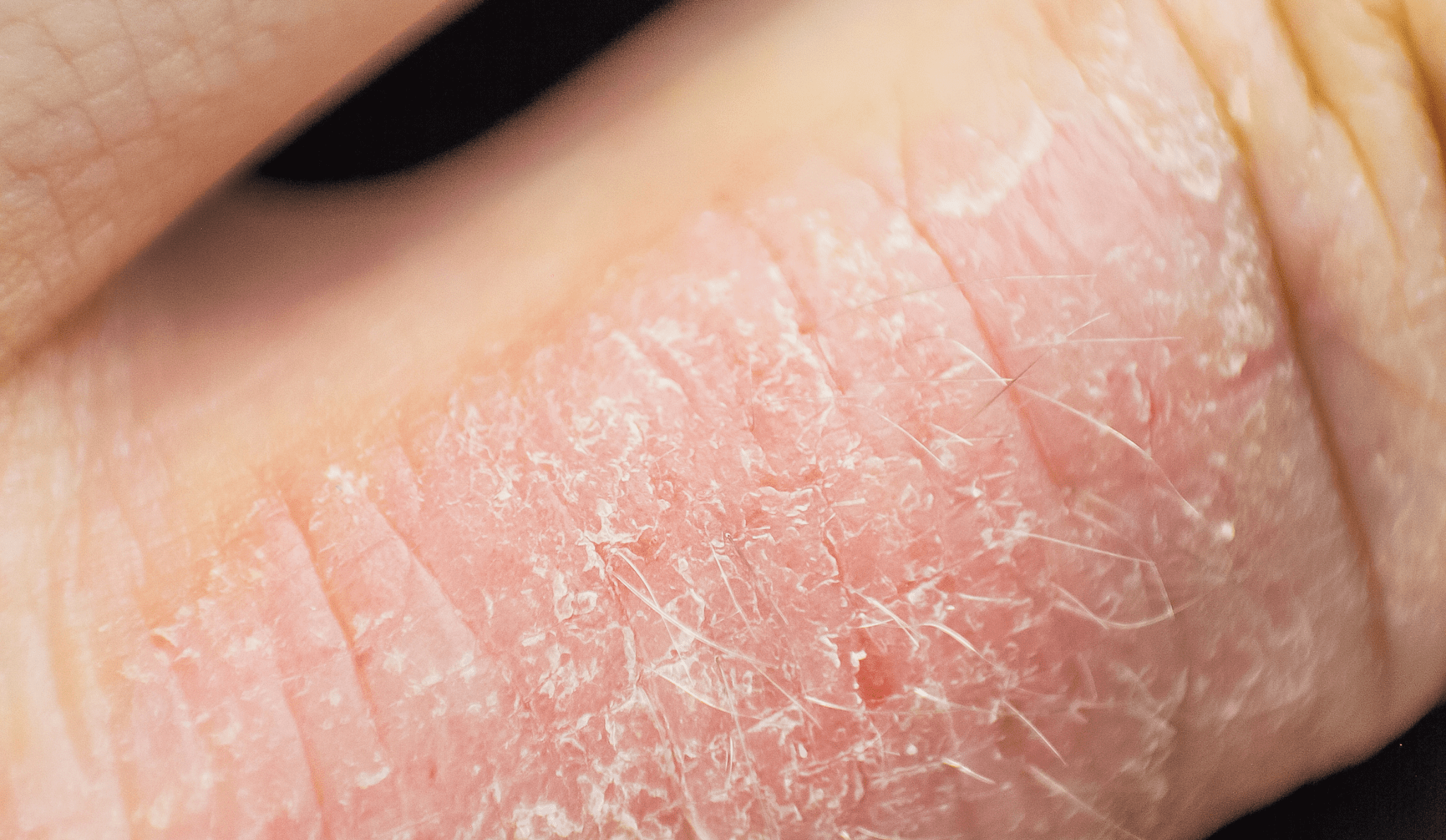
When flare-ups appear, many people unintentionally overload their skin. Overloading doesn’t mean moisturizing too often—it means introducing too many products, ingredients, or active formulas at once, especially when the skin barrier is already weakened.
Common signs of skin overload include:
-
Increased stinging or burning after application
-
Persistent redness
-
Heightened itching
-
Skin reacting to products that once felt safe
For eczema-prone skin, simplicity is essential. The goal is to reduce irritation, not stimulate already stressed skin.

What to Avoid if You Have Eczema in Winter
Avoiding common triggers can make a significant difference during colder months.
Over-Cleansing
Harsh or foaming cleansers can strip the skin of essential oils. In winter, gentle cleansing once a day is often enough.
Hot Showers and Long Baths
While comforting, hot water removes natural lipids from the skin. Lukewarm showers and shorter bathing times help preserve moisture.
Strong Actives During a Flare-Up
Retinoids, exfoliating acids, and high-strength treatments can worsen irritation when the skin barrier is compromised. Winter flare-ups are not the time to experiment with aggressive ingredients.
Constant Product Switching
Frequently changing products makes it difficult for the skin to stabilize. Consistency is key for managing eczema in winter.
Fragrance and Irritating Additives
Added fragrance can increase sensitivity. Minimal formulations are often better tolerated by sensitive skin.

How to Support the Skin Barrier During Winter
A healthy skin barrier helps retain moisture and protect against environmental stressors. Winter skincare for eczema should prioritize protection and repair, not exfoliation or correction.
Look for products that:
-
Help seal in hydration
-
Reduce moisture loss
-
Feel soothing rather than active
-
Use simple, well-tolerated ingredients
Occlusive products are especially helpful in winter. When applied over moisturized skin, they create a protective layer that helps prevent dehydration and gives the skin time to recover.
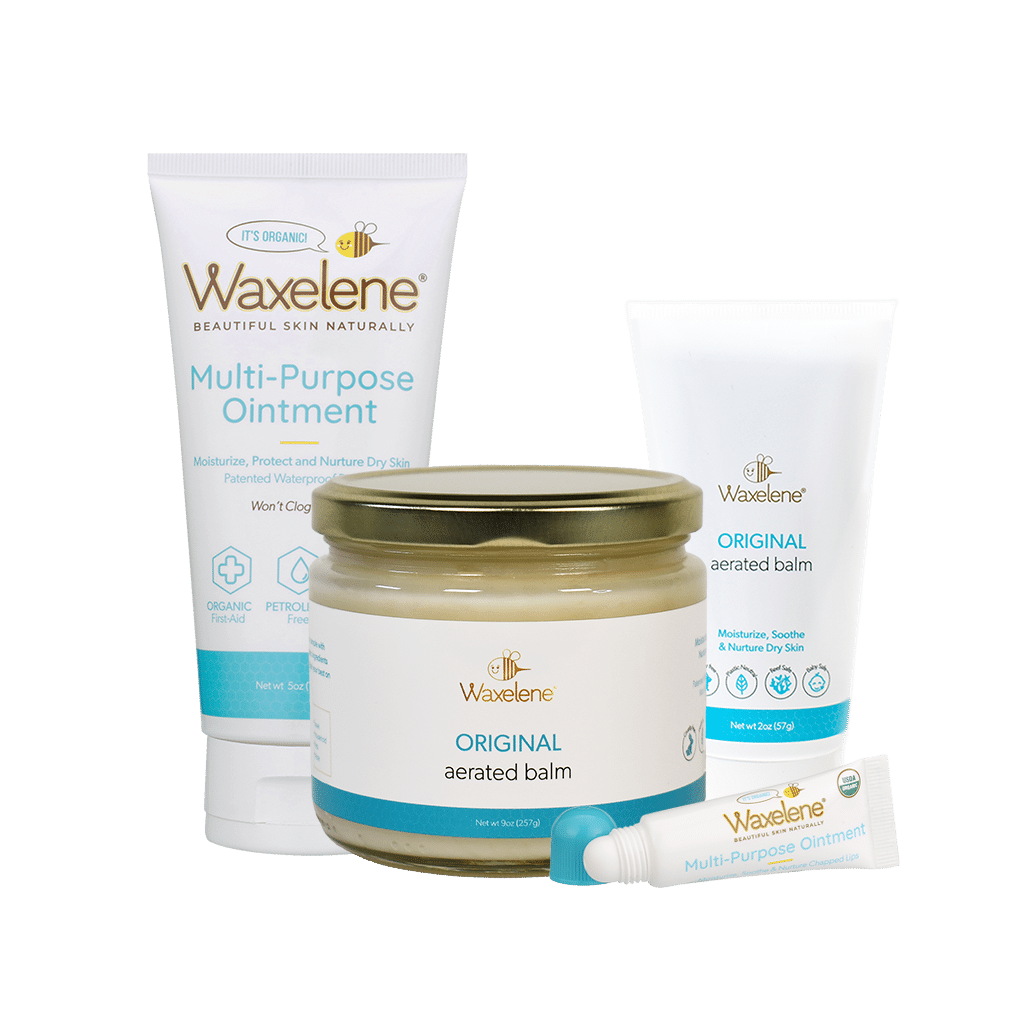
This is where simple, plant-based occlusives can be especially beneficial for eczema-prone skin. Products like Waxelene Aerated Balm are designed to help seal in moisture without feeling heavy or overly active on the skin. With a short ingredient list and a balm-like texture that melts on contact, it can be used to support areas prone to dryness and irritation—helping protect the skin barrier without overwhelming it.
Ingredients to Look For—and Ingredients to Be Cautious With
Ingredient selection plays an important role in winter eczema care.
Generally Well-Tolerated
-
Gentle emollients that soften and smooth
-
Barrier-supportive oils and waxes
-
Minimal formulations with fewer potential irritants
Use With Caution
-
Added fragrance
-
Alcohol-heavy formulas
-
Harsh preservatives
-
Strong exfoliating agents
Every person’s skin is different, but winter is rarely the best season for aggressive experimentation.
A Simple Winter Skincare Routine for Eczema-Prone Skin
Living with eczema often means approaching daily skincare with caution and intention, especially during winter when the skin barrier is under constant stress from cold air and indoor heating. A supportive routine should focus on preserving the skin’s natural defenses rather than correcting or over-treating it, beginning with gentle cleansing only when necessary and avoiding hot water or harsh formulas that can increase dryness and irritation. Applying moisturizer while the skin is still slightly damp can help retain hydration more effectively, and following with a simple occlusive layer—such as Waxelene Aerated Balm—can help reduce moisture loss throughout the day, particularly on areas prone to flare-ups like hands, elbows, or around the mouth. When the skin is given organic ingredients that work with its natural processes rather than against them, it’s better supported in restoring balance at its own pace. Consistency is often more beneficial than complexity, as predictable routines and minimal ingredient exposure can help eczema-prone skin feel calmer and more resilient over time, allowing winter skincare to become a source of comfort instead of frustration.
Lifestyle Habits That Support Eczema Care in Winter
Skincare works best when supported by mindful daily habits.
-
Use a humidifier to add moisture back into dry indoor air
-
Choose soft, breathable fabrics worn close to the skin. Avoid wool fabrics
-
Manage stress, which is a known trigger for eczema flare-ups
-
Protect exposed skin from cold wind with gloves and scarves
These small adjustments reduce ongoing stress on sensitive skin throughout the season.

Listening to Your Skin
Eczema doesn’t look the same on everyone. It can show up differently across skin tones, ages, and lifestyles, and no two experiences are exactly alike. That’s why comparison rarely helps—your skin has its own history, its own triggers, and its own pace.
Flare-ups aren’t failures; they’re messages. They’re your skin asking for protection, simplicity, and patience. When you resist the urge to overcorrect and instead focus on calming and sealing in moisture, you give your skin barrier the space it needs to recover naturally.
Winter can be a challenging season for sensitive, eczema-prone skin. But with consistent, mindful care, it can also become a time of restoration—one where comfort is prioritized, routines are simplified, and the skin is supported without being overwhelmed.




0 Comments